



Exciting News:
Therapy Fit Expands to Prosper, TX!
We are thrilled to announce the opening of Therapy Fit’s new clinic location in Prosper, TX! Conveniently located at 1630 West Prosper Trail, Suite 510, our new clinic offers the same exceptional care and services you’ve come to expect.
We are now accepting appointments! Call us at (945) 256-1199 or fax us at (972) 535-5940. Our hours are Monday through Friday, 8:00 a.m. to 7:00 p.m., and Saturdays, 9:00 a.m. to 2:00 p.m. We can’t wait to welcome you to our new space and continue supporting your health journey!

How Physical Therapy Can Help Incontinence
— November 2024 —

The good news is that at Therapy Fit, our therapists are experts at treating the different types of incontinence and can help you resolve this issue once and for all!
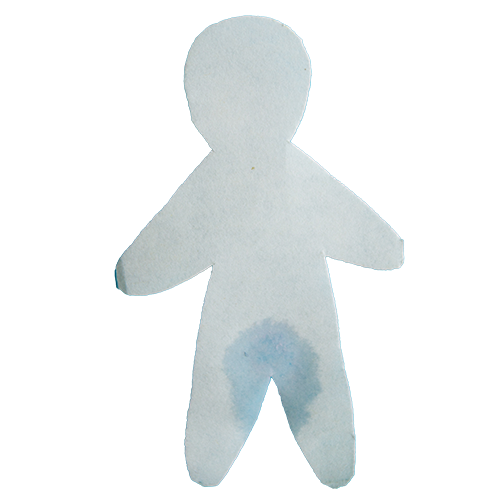
Urinary incontinence is the loss of bladder control. The two most common types of urinary incontinence are stress incontinence and urge incontinence (aka overactive bladder).
Although more women than men are affected, men can also have urinary incontinence after prostate surgery. Urinary incontinence has a reputation for being a problem that only people of the older population experience, but many young people get urinary incontinence. Urinary incontinence is not a normal part of aging, and it can be treated.
At Therapy Fit, our physical therapists can help identify the source of your problem and provide the guidance you need to resolve the incontinence.
Primary Causes of Urinary Incontinence
Mild to moderate cases of common incontinence can be cured or greatly improved by behavioral or exercise therapy. There are many potential causes of urinary incontinence, including:
- Weakened bladder muscles resulting from pregnancy, childbirth, obesity, and aging
- Physical damage to your pelvic floor muscles from childbirth or surgery
- Damage to the nerves from delivery and health problems like diabetes and multiple sclerosis
- Enlarged prostate
- Types of cancer
Some types of urinary incontinence happen due to other reasons, like:
- Medication. Urinary incontinence may be a side effect of medicines such as diuretics.
- Caffeine. Caffeinated drinks may cause the bladder to fill quickly, leading to accidental leaking.
- Infection. Urinary tract infections and bladder infections may cause incontinence.
Regardless of the causes, we have solutions that work for the different types of incontinence.
The Different Types of Urinary Incontinence
Urinary incontinence is any undesired leakage of urine and involves the pelvic floor muscles. The pelvic floor muscles attach to the bottom of the pelvic bones and form a supportive “hammock structure” that supports the internal organs.
The different types of incontinence include:
- Stress incontinence: This occurs when intra-abdominal pressure increases during physical activity (i.e., playing a sport, laughing, or sneezing).
- Urge incontinence: This accidental leakage occurs with a sudden, strong need to urinate before reaching the bathroom.
- Mixed incontinence: A combination of both stress and urge incontinence.
- Functional incontinence: People experience accidental leaking on the way to the bathroom, even without an intense urge to urinate.
- Urinary frequency: Some people feel the need to empty their bladder frequently throughout the day and night.
Incontinence affects twice as many women as men due to pregnancy, childbirth, and menopause. Fortunately, there are many treatments for urinary incontinence.
How a Physical Therapist Treats Urinary Incontinence
If you come to see our physical therapists for urinary incontinence, we will take you through a thorough physical examination and comprehensive patient history.
Your physical therapist can then develop a customized treatment plan to relieve your symptoms and address the suspected underlying causes to prevent recurring dysfunction based on the examination results.
Some of the common physical therapy treatments may include:
- Soft tissue mobilization and massage of internal and external pelvic musculature to relieve muscle tension and provide pain relief.
- Spinal and sacroiliac joint manipulations reset the neurological pathway, relieve pain, and restore normal spinal alignment.
- Electrical stimulation modalities can provide pain relief and restore normal neuromuscular activation of pelvic floor muscles and nerves.
- Therapeutic exercises to restore the normal strength and endurance of stabilizing pelvic floor muscles and muscles in the low back and hips.
The research has shown that pelvic floor muscle training should be the first-line treatment for the management of urinary incontinence. No matter the type of incontinence, we can help. Our physical therapists are highly skilled in evaluating and treating various musculoskeletal and neurological conditions affecting the pelvic floor and bladder function. We will use whatever strategy we can to help you resolve your incontinence and get back to living worry-free!
Call Today to Schedule an Appointment
Are you frustrated and concerned about incontinence? Consult with our physical therapists today.
At Therapy Fit, our physical therapists can help you resolve your condition once and for all!
Service Spotlight:
Torticollis Treatment

Torticollis literally translates to “twisted neck,” which can certainly sound alarming. In reality, torticollis is a relatively common condition in infants and one that the team at Therapy Fit can certainly help address!
Most of the time, torticollis develops when a baby’s position in the womb or during delivery results in tightness in a muscle in the neck that causes them to prefer certain head positions, leading to a sideways head tilt. Sometimes, torticollis develops due to an infection or an awkward sleeping position.
No matter the type of torticollis, our pediatric physical therapists can create a customized treatment program to correct the underlying issues causing your child’s condition.
Effective Physical Therapy Treatment Options for Torticollis
Manual Therapy
We’ll use gentle, hands-on techniques to loosen any restrictions in your child’s soft tissue, improving mobility in the neck and upper back.
Passive Exercise
We’ll gently move your baby’s neck to gradually increase their range of motion and can show you how to properly perform these exercises and positionings at home.
Active Range-of-Motion Exercises
We can also help get older children moving on their own with mobility exercises targeting their neck and trunk mobility. Don’t let the word “exercise” fool you: our therapists use age-appropriate toys and games for these sessions, and your child will see it as playtime.
Strengthening Exercises
In addition to improving your child’s range of motion, we’ll also help them strengthen their neck muscles and correct any imbalances. Again, we’ll use toys and other fun techniques to promote proper muscle development.
Start Addressing Your Child’s Torticollis Today
Pediatric physical therapy at Therapy Fit is an effective way to address your child’s torticollis. Schedule an appointment today to get started!

Our Patients Get Great Results
“Dr. Ana, Dr. Reddy, Therapist Mo and the entire staff are truly a blessing to the local community, the medical community and their patients. I highly & sincerely recommend them for anyone having issues with their pelvic floor. Most people won’t realize many issues stem from their pelvic floor. It’s disappointing that it’s not given a lot of attention until it needs treatment when preventative treatment is actually available. Over a year ago I started having a backache & abdomen pain. A few months ago the early symptoms of incontinence started. It was during this time that a friend told me about their friend who was treated at Therapy Fit. I made an appointment & showed up. At my 1st appointment I immediately received caring & encouraging words. This is the only place that fully understood what I had experienced for over a year before coming to them. I now feel so much better and look forward to my successful treatment. They are truly a gem, love their craft & love helping their patients. Come & see for yourself.”
– Tasha W.
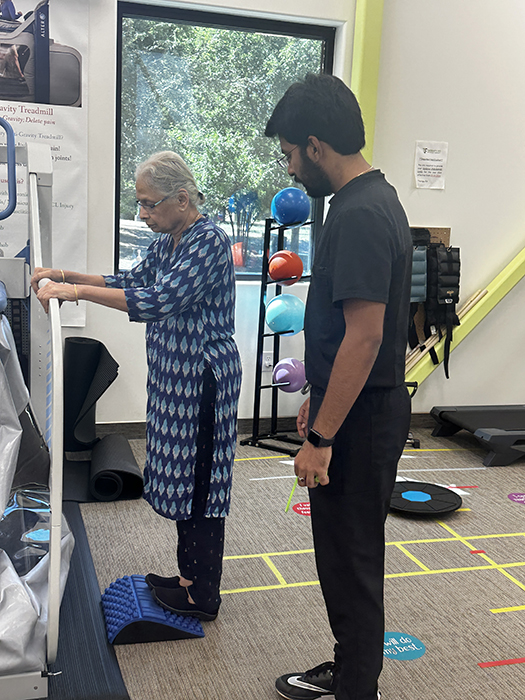
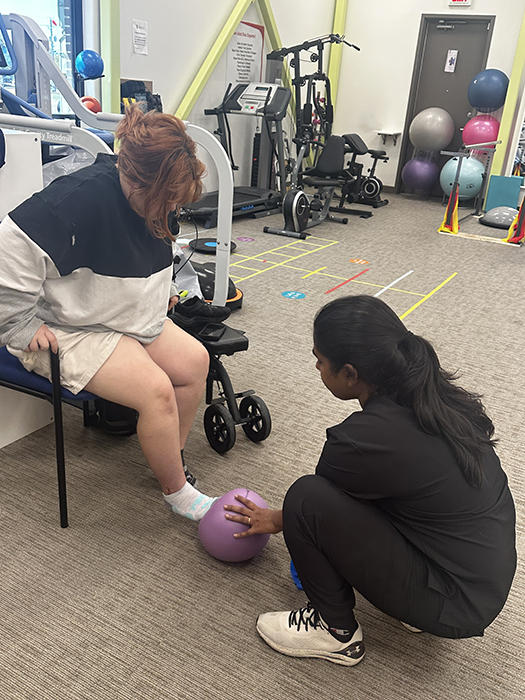
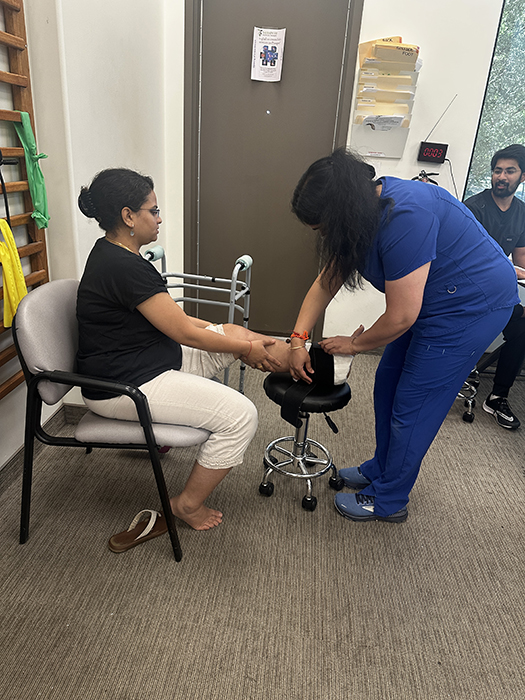
Check out these photos of patients doing their exercises
What are you waiting for? Make your appointment today!
Exercise of the Month
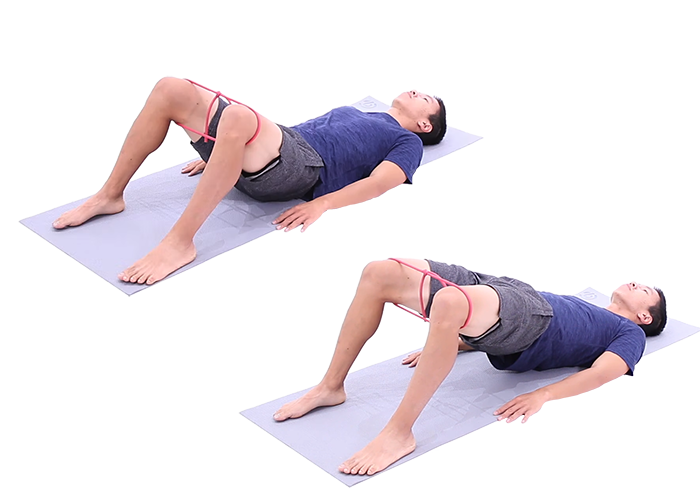
Bridge With Pelvic Floor Contraction and Resistance Band
Start by lying on your back with knees bent, feet flat on the floor, and arms at your sides with palms down. Wrap a band around your legs just above your knees. Perform a pelvic floor contraction (kegel). Engaging the abdominals and squeezing the buttocks, slowly lift your hips up toward the ceiling. Slowly lower them back down. Repeat exercise 10 times.

Free Screenings
Join us on Saturdays from 9 am – 2 pm for FREE Screenings
(first come first serve basis, about 8 patient slots available per Saturday)

Feel Better by Eating Better!
Sweet & Sour Cauliflower
Easy and healthy Baked Sweet & Sour Cauliflower is a delicious twist on classic sweet & sour chicken or pork and it’s baked instead of fried. You won’t miss meat in this lightened up classic!
Directions:
Preheat oven to 425 degrees. Toss cauliflower and oil in a ziplock bag. Add corn starch and toss to coat again. Transfer cauliflower to a greased baking sheet. Bake for 15-20 min until cauliflower starts to brown on the bottom. Switch oven to broil and cook on high for 3-4 minutes just until tops start to brown. Combine sugar, vinegar, soy sauce, garlic powder, onion salt, and ketchup in a medium sauce pan. Stir and bring to a boil. Whisk together corn starch and cold water in a small bowl until dissolved. Add to pan and stir until thickened, then reduce to low heat. Combine roasted cauliflower and sauce. Serve with steamed rice and top with sliced green onions.
Recipe: www.lecremedelacrumb.com/baked-sweet-sour-cauliflower
Ingredients
- 5-6 cups cauliflower florets
- 3 tbsp vegetable oil
- 1/3 cup corn starch
- 3-4 cups steamed rice, for serving
- Thinly sliced green onions for garnish
- 3/4 cup sugar
- 2 tbsp soy sauce
- 1/2 cup apple cider vinegar
- 1 tsp garlic powder
- 1/2 tsp onion salt
- 1/4 cup ketchup
- 1 tbsp cornstarch
- 2 tbsp cold water
Let’s Get You Better ASAP!
Don’t let pain dictate your life. Take the first step towards reclaiming your mobility and well-being with our expert support. Start your journey to a healthier you today.