


Straightening the Course
Treating Torticollis with Pediatric Physical Therapy
— December 2024 —
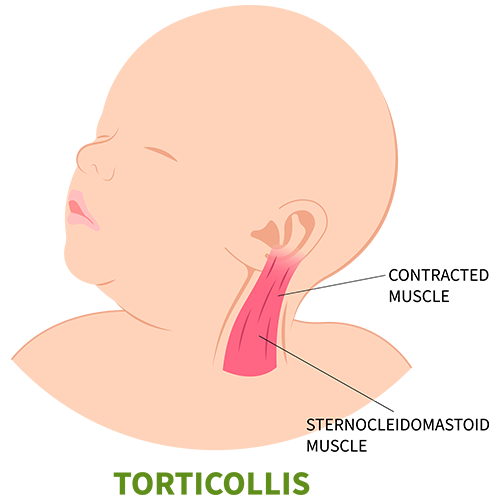
“Torticollis” translates literally to “twisted neck,” which can make it an alarming diagnosis to receive about your infant. In reality, however, torticollis affects about 16% of newborns, and the condition is usually easily resolved. At Therapy Fit, we offer one of its best treatments: pediatric physical therapy for torticollis.
Torticollis has several potential causes that all result in your baby’s head being turned and/or tilted to one side. If left untreated, this position can cause issues later in your child’s life, impacting their overall posture, balance, and stability and delaying their development of gross motor skills, such as crawling or walking.
Fortunately, treatment for torticollis is usually straightforward. Physical therapy at Therapy Fit can help improve your child’s neck’s muscles function and range of motion, correcting the impairment before it can have a lasting impact.
Our staff is happy to help you understand torticollis. Contact our clinic to schedule an appointment today!
Understanding The Causes and Types of Torticollis
Experts divide torticollis into three groups. They are:
positional torticollis
The most easily treatable is positional torticollis, in which the child has either a muscle imbalance or a strong preference for certain positions, which can lead to a sideways head tilt. Regular physical therapy will almost always resolve this type of torticollis, although it’s important that treatment not stop too early.
Muscular Torticollis
Muscular torticollis occurs when a child’s neck muscles are too tight, leading to a restriction in their neck’s range of motion that causes them to hold their head to one side.
SCM (Sternocleidomastoid) Torticollis
SCM torticollis is the most severe form. It’s sometimes referred to as “tumor torticollis” because it causes a large bulge in your child’s muscle tissue, leading to muscle tightness and decreased neck mobility. This bulge is not actually a tumor, but this form of torticollis can take the longest to treat.
The exact causes of torticollis can vary. Most infants have congenital torticollis. Certain unavoidable factors can cause children to be born with the condition, including the following:
- Longer body length
- Lack of space in the uterus
- Poor positioning in the uterus
Sometimes, however, babies will develop torticollis after birth. In fact, infant torticollis cases have increased over the last thirty years, largely due to recommendations that babies sleep on their backs to avoid SIDs (sudden infant death syndrome). While this practice dramatically lowers the risk of SIDs, it increases the likelihood of developing torticollis.
Obviously, you should continue to place your baby on their back to sleep. However, make sure they’re having plenty of “tummy time” when they’re awake. Spending time on their bellies allows children to balance their muscular development–protecting them from SIDs and torticollis.
How Pediatric Physical Therapy Can Resolve Torticollis
The pediatric therapists at Therapy Fit have extensive experience addressing torticollis! While treatment is fairly straightforward, we understand the unique needs of infants and will design both in-clinic and at-home exercise programs to ensure your child gets all the care they need.
Pediatric physical therapy for torticollis strives to restore normal posture, movement, and overall functionality. We tailor each program based on the type of torticollis your child has while considering other potential factors, too. Here are a few techniques we might use:
- Passive Exercise: We’ll gently move your baby’s neck to gradually increase their range of motion–and we can show you how to properly perform these exercises at home.
- Myofascial Release: This gentle, hands-on technique helps loosen (“release”) the fascia, the tough tissue that wraps around your child’s muscles. Tight fascia can cause restriction and muscular shortness, and this technique can help with improved mobility in the neck and trunk.
- Active Range-of-Motion Exercises: We’ll also get your child moving on their own with exercises targeting their neck and trunk mobility. Don’t let the word “exercise” fool you: our therapists use age-appropriate toys and games for these sessions, and your child will see it as playtime.
- Strengthening Exercises: In addition to improving your child’s range of motion, we’ll also work on helping them strengthen their neck muscles and correct any imbalances. Again, we’ll use toys and other fun techniques to promote proper muscle development.
- Balance and Vestibular Therapy: If torticollis affects your child’s balance and vestibular (inner ear) system, we can help address those impairments through specialized exercises that ensure your child can move properly.
What To Expect During Pediatric Physical Therapy Sessions for Torticollis
The first step in treating torticollis is understanding your child’s particular experience. Our therapists will always begin with a comprehensive assessment to help us fully understand the cause and specific systems your child is experiencing. We’ll examine your child’s health history and perform simple movement screens to help us better understand their condition.
This information will help us create a customized treatment plan that includes both in-clinic and at-home exercises. We’ll work through appropriate techniques during your child’s time in our clinic, but we’ll also provide you and other caregivers with the information you need to ensure your child’s treatment is successful.

Get Started with Torticollis Treatment Today
As with many childhood conditions, early intervention is key in effectively resolving torticollis. If your child has a torticollis diagnosis and you haven’t yet begun physical therapy, now’s the time! Our pediatric physical therapy clinic offers a fun environment to ensure success.
Contact us today to set up a time for your child’s initial assessment!

Our Patients Get Great Results
“My wife was complaining about pain and discomfort in her right elbow. We went for treatment to Therapy Fit since a friend recommended this clinic. The treatment provided by Dr. Reddy and team helped my wife to recover from the pain. The team of therapists were friendly, considerate and thoughtful. Not only did they cure her problem but also recommended exercises and routines to stay healthy and fit.”
– Thirumalai P.
Exercise of the Month
Core Kickouts
Start by lying on your back with your knees bent to 90 degrees and your feet on the floor. Slowly kick one leg straight out and then bring it back in. Repeat on the other side. Make sure to keep your abdominals braced. Repeat 3 sets, 10 reps each.


Feel Better by Eating Better!
Oatmeal Pancakes With Cinnamon Apples
1 1⁄2 cups buttermilk
3⁄4 cup instant rolled oats
3⁄4 cup whole wheat flour
2 Tbsp milk
1 Tbsp melted butter
1 1⁄2 tsp baking powder
1⁄2 tsp baking soda
Pinch of cinnamon (plus 1⁄8 tsp for the apples)
Pinch of nutmeg
1 Granny Smith apple, peeled, cored, and chopped
1⁄2 cup apple juice
Butter or cooking spray
In a large bowl, mix the buttermilk, oats, flour, milk, butter, baking powder, baking soda, cinnamon, and nutmeg. Let it rest. In a small saucepan, simmer the apple, apple juice, and cinnamon until the apple softens and the liquid thickens. Preheat the oven to 200°F. Heat a skillet over medium heat and add butter or cooking spray before each round. Scoop 1⁄4-cup portions of batter, spreading into thin circles. Cook 2-3 minutes per side. Keep pancakes warm in the oven. Serve with warm apples.
Free Screenings
Join us on Saturdays from 9 am – 2 pm for FREE Screenings
(first come first serve basis, about 8 patient slots available per Saturday)

Exciting News:
Therapy Fit Expands to Prosper, TX!
We are thrilled to announce the opening of Therapy Fit’s new clinic location in Prosper, TX! Conveniently located at 1630 West Prosper Trail, Suite 510, our new clinic offers the same exceptional care and services you’ve come to expect.
We are now accepting appointments! Call us at (945) 256-1199 or fax us at (972) 535-5940. Our hours are Monday through Friday, 8:00 a.m. to 7:00 p.m., and Saturdays, 9:00 a.m. to 2:00 p.m. We can’t wait to welcome you to our new space and continue supporting your health journey!
Let’s Get You Better ASAP!
Don’t let pain dictate your life. Take the first step towards reclaiming your mobility and well-being with our expert support. Start your journey to a healthier you today.