


Free Screenings
Join us on Saturdays from 9 am – 2 pm for FREE Screenings
(first come first serve basis, about 8 patient slots available per Saturday)
“This place provides Free Screening every Saturday. I went to check my shoulder problem during their Free Screening event. The physical therapist took enough time to patiently assess me and also explain why I am getting the pain and how to fix it. I went for a few sessions of therapy following that. The treatment and tips they provided were very useful. I am a lot better now and play without limitation. I would recommend you to use their Free screening as they are very good in identifying problems at the very root stage level and treat them too.”
– Bhavya B.

How Physical Therapy Can Help You After an Automobile Accident
— February 2025 —

In the blink of an eye, life can take an unexpected turn, leaving you grappling with the aftermath of an event that reshapes your daily existence. This was the reality for one of our patients, let’s call her Emily, who found her world turned upside down following a severe automobile accident.
The collision left her with multiple injuries, including a whiplash-associated disorder and lower back pain. Despite her initial despair, Emily’s journey through physical therapy at Therapy Fit provided her not only with physical healing but also a renewed sense of hope.
The Road to Recovery Begins
Emily’s recovery began with her first visit to our clinic. Her initial evaluation was comprehensive, serving as the cornerstone for her personalized treatment plan. Her caring physical therapist conducted a thorough assessment that included reviewing her medical history, understanding the specifics of the accident, and evaluating her physical capabilities.
The evaluation process involved several key components. First, Emily’s therapist assessed her posture and movement patterns, as changes in these could indicate compensatory strategies that might lead to further issues if left unaddressed. Her therapist also performed a range of motion and strength tests to identify areas of weakness or stiffness that were contributing to her pain and functional limitations.
Assessing her pain assessment was another critical part of the evaluation. Emily’s therapist used various methods to understand the intensity, type, and distribution of her pain, which is crucial for tailoring the pain management aspects of her treatment. Furthermore, the therapist conducted specific tests to assess the integrity of her musculoskeletal system, checking for any signs of injury to muscles, ligaments, or joints that could be contributing to her symptoms.
Crafting a Path Forward: Comprehensive Treatment Choices
With a detailed understanding of Emily’s condition, her physical therapist developed a multifaceted treatment plan tailored to her specific needs. This plan included manual therapy, therapeutic exercises, and education about body mechanics and injury prevention.
Manual Therapy
This involves hands-on techniques to alleviate pain, relax muscle tension, and mobilize soft tissues and joints to restore and improve range of motion loss. For Emily, manual therapy helped alleviate her lower back pain and improve her neck’s range of motion, making daily activities less of a struggle.
Therapeutic Exercises
Emily was taught exercises designed to strengthen weakened muscles, improve her joint mobility, and restore her overall function. These exercises were pivotal in her recovery, gradually restoring her abilities and enabling her to return to her daily routines without pain.
Education
A crucial aspect of Emily’s treatment involved education on proper body mechanics and strategies to prevent future injuries. This knowledge empowered her to take an active role in her recovery and maintain her progress long after her therapy sessions concluded.
Emily’s journey through physical therapy was not without its challenges. However, her determination, coupled with the expertise of her physical therapist, enabled her to make significant strides towards recovery. Each therapy session brought her one step closer to regaining her pre-accident level of function and quality of life.
As Emily’s strength and mobility improved, so did her confidence. She began to see her recovery as a return to her former self and an opportunity to emerge stronger and more resilient. The accident that once seemed like an insurmountable obstacle became a testament to her perseverance and the transformative power of physical therapy.
Embrace the Path to Healing
For anyone who has experienced the trauma of an automobile accident, Emily’s story underscores the importance of seeking Therapy Fit for help navigating the road to recovery. Don’t let an accident define your future. Take the first step towards healing and recovery today. Our physical therapists will help guide you through the challenges and toward a brighter, pain-free tomorrow. Reach out to us today and get started on your journey back to health and wellness!

Our Patients Get Great Results
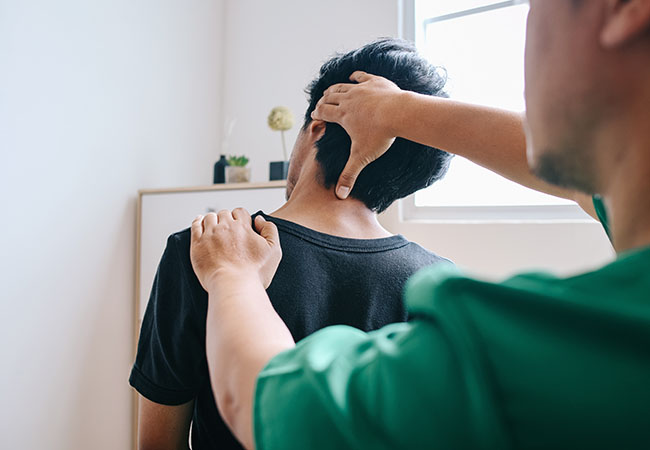
“Dr. Reddy and his assistants provided me with excellent care. I was evaluated and provided a treatment plan to help the tight muscles in my neck, upper back, and shoulder which I was suffering from for a long time. The release techniques and adjustments on my back were very effective. I highly recommend this place.”
– Poojitha G.



Reclaim Your Mobility
Overcoming Whiplash with Physical Therapy
Whiplash is a neck injury resulting from forceful, rapid back-and-forth neck movement. This type of injury most commonly occurs during rear-end auto accidents, but it can also result from sports accidents or other trauma. Symptoms may include:
Neck pain and stiffness
Headaches at the base of the skull
Dizziness
Sometimes, blurred vision or fatigue
While whiplash is often a relatively mild condition, it can lead to chronic neck pain and long-term discomfort if not properly treated.
Physical therapy at Therapy Fit plays a crucial role in the recovery from both new and chronic whiplash injuries. Our therapists will conduct a comprehensive assessment to tailor a treatment plan for your specific symptoms and needs. This personalized approach is crucial for effective recovery, as whiplash injuries can vary widely in severity and symptoms.
Treatment strategies for whiplash may include pain management techniques and manual therapy techniques to help restore normal movement and alleviate stiffness. Our physical therapists will also guide you through targeted exercises designed to restore your overall function. These exercises not only aid in the recovery from the immediate symptoms of whiplash but also contribute to long-term neck health, reducing the risk of future injuries.
For chronic whiplash conditions, our physical therapists focus on teaching you strategies to manage your pain and offer you a pathway to recovery so you can return to your daily activities and improve your quality of life.
If you’re dealing with whiplash and want solutions that work, call our office and schedule an appointment today!
The Alter G Treadmill at Therapy Fit
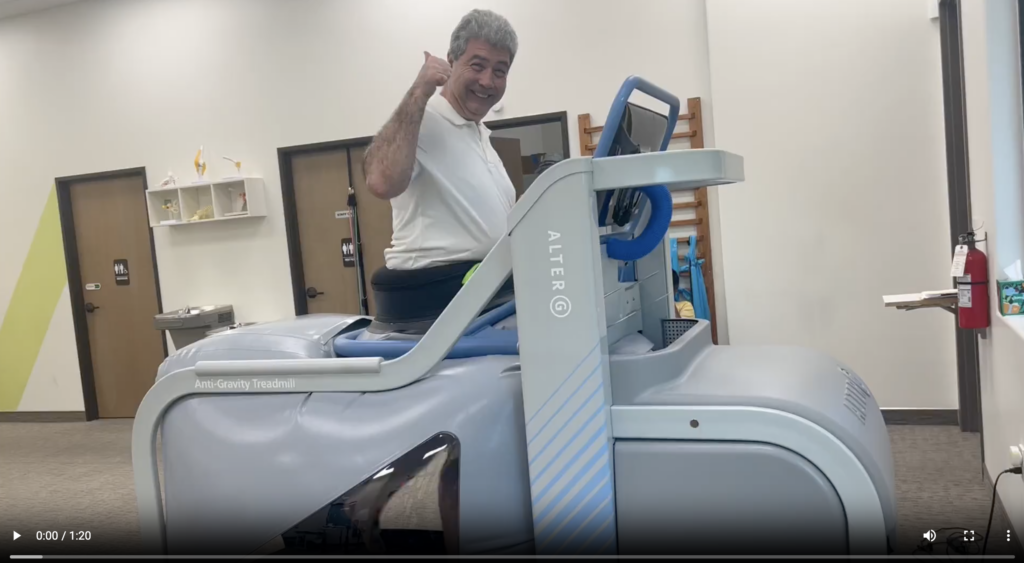
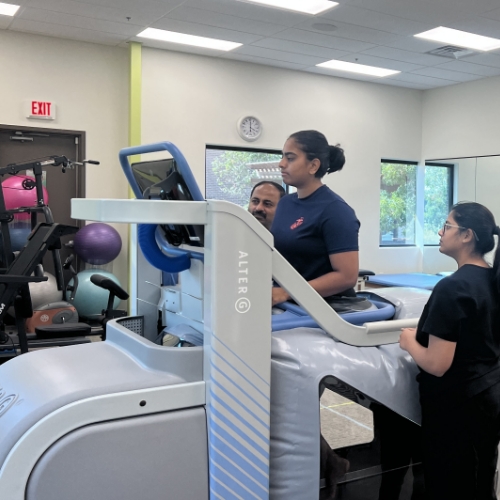
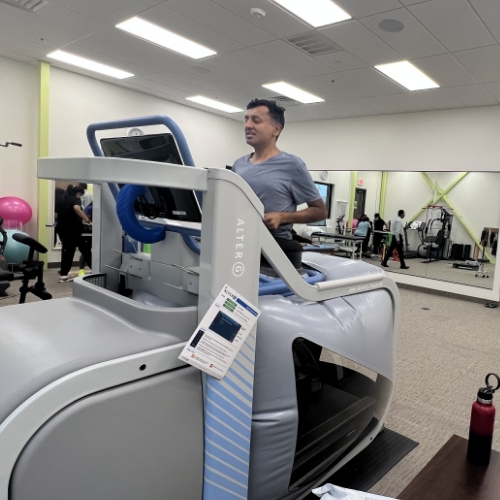
The term “anti-gravity” admittedly makes it sound like a contraption from a science-fiction universe. In reality, this treadmill was created using advanced contemporary science and technology. The Differential Air Pressure (DAP) technology has been patented by NASA, allowing for a precise calibration of air pressure. The pressurized mechanics of the treadmill act to “unweight” the patient while the machine is in use. By doing so, the patient is able to use the treadmill by seemingly “floating” above it – allowing them to complete their exercise treatments without the harsh foot-to-treadmill impact you get with normal gravity.
Post-operative patients are the prime candidates for the AlterG Treadmill. Patients are strapped into the middle of it, with their feet enclosed in the pressurized case. By safely securing patients, they are able to use the weight-bearing treadmill freely, without pressure on their legs or the fear of falling off of it. Other conditions that have shown improvement through the AlterG Treadmill include tendinitis, obesity, arthritis, Pelvic floor dysfunctions, osteoporosis, plantar fasciitis, shin splints, spine fusions, stress fractures, neurological disorders, complex regional pain syndrome (CRPS), reflex sympathetic dystrophy (RSD), and total joint replacement.

Tips for A Heart-Healthy Valentine’s Day!
This year, don’t forget the most important Valentine of all: your heart! With February being the month of love and American Heart Month, here are a few tips to combine them into one fabulous celebration:
- Try a heart-healthy treat: Pomegranate seeds, good dark chocolate, and sweet strawberries are all delicious alternatives to candy hearts.
- Take a ballroom dance class with your sweetheart: Nothing’s more romantic than a sweeping waltz or sultry tango. But ballroom dancing is also a great cardio workout — making it the perfect date night for American Heart Month!
- Sink into a relaxing bubble bath: Stress contributes to cardiovascular disease, so this month, set aside time to rest and relax with a bubble bath. Dim the lights, burn a few candles, and settle down with your favorite romantic read.
Want more healthy heart tips this February — or any month of the year? Schedule an appointment with Therapy Fit today!
Exercise of the Month
Seated Neck Flexion AROM
Start by sitting upright in a chair. Slowly bend your head forward as far as you can. Bring your head back up. Repeat 3 sets, 10 reps each.



Feel Better by Eating Better!
Gluten-Free Breakfast Hash
Ingredients:
- 5 medium-large potatoes washed and peeled
- 1 large white onion chopped
- 2 tbsp extra virgin olive oil
- 2 green onions trimmed and finely chopped
- 4 eggs
- 1/4 cup shredded cheddar cheese
- salt and pepper to taste
- 1/4 tsp paprika
Directions:
Cut potatoes into 1/2 inch wedges. Heat olive oil in a large cast iron skillet or frying pan over medium heat. Cook potatoes for 25 minutes, covered, stirring every 4-5 minutes. Add chopped white onion. Cook for another 5-10 minutes, uncovered, and stirring constantly.
When potatoes are crispy and golden brown, add green onions, salt, and pepper. Stir through. With your spatula, make four wells in the potatoes and crack an egg into each one. Sprinkle shredded cheddar all around. Cook until the egg whites are set, or until your liking. Cover pan with lid for poached eggs. Add more olive oil on eggs if desired. Sprinkle eggs with a pinch of paprika seasoning. Serve immediately.
Exciting News:
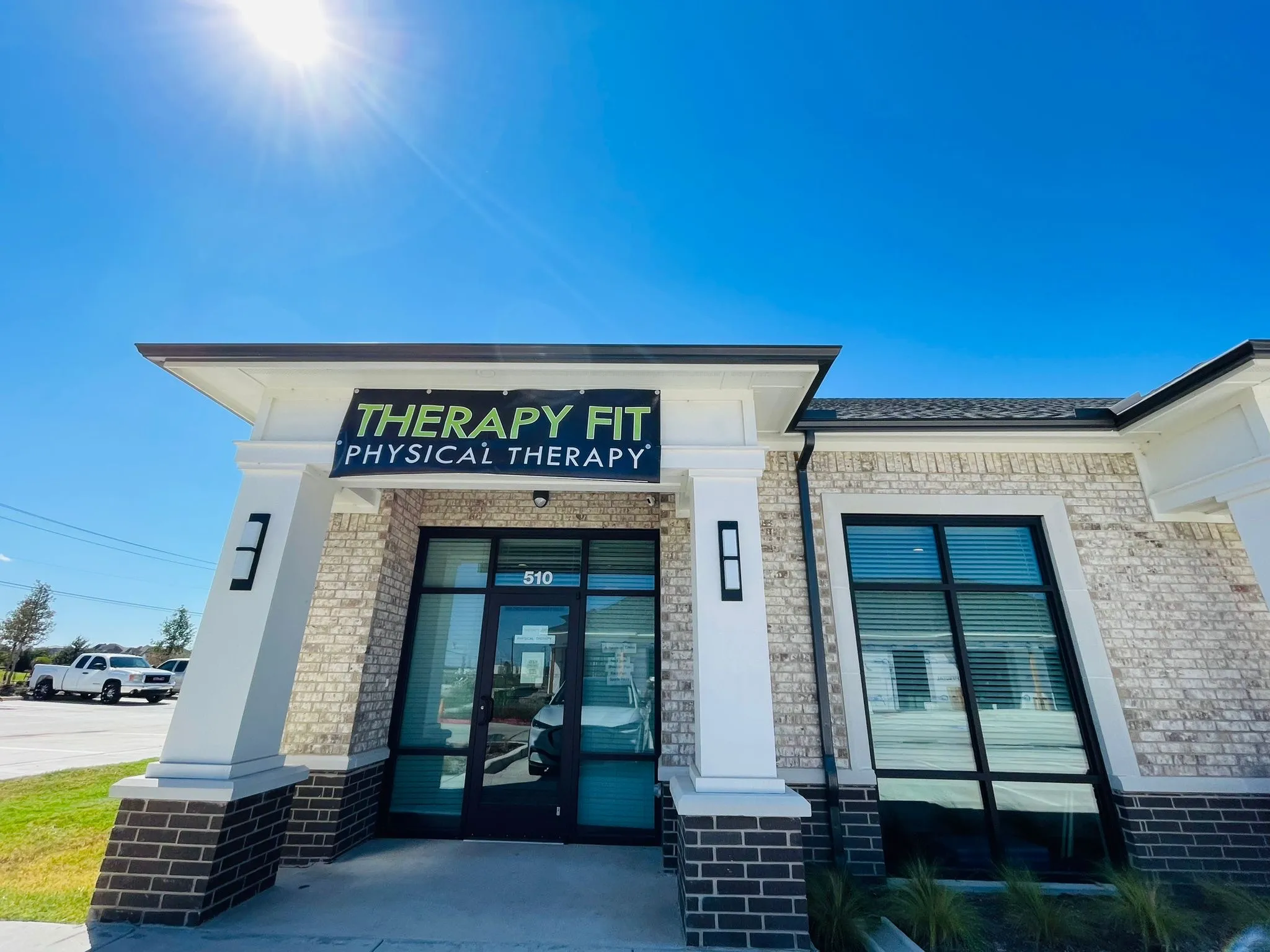
Therapy Fit Expands to Prosper, TX!
We are thrilled to announce the opening of Therapy Fit’s new clinic location in Prosper, TX! Conveniently located at 1630 West Prosper Trail, Suite 510, our new clinic offers the same exceptional care and services you’ve come to expect.
We are now accepting appointments! Call us at (945) 256-1199 or fax us at (972) 535-5940. Our hours are Monday through Friday, 8:00 a.m. to 7:00 p.m., and Saturdays, 9:00 a.m. to 2:00 p.m. We can’t wait to welcome you to our new space and continue supporting your health journey!
Let’s Get You Better ASAP!
Don’t let pain dictate your life. Take the first step towards reclaiming your mobility and well-being with our expert support. Start your journey to a healthier you today.