


Free Screenings
Join us on Saturdays from 9 am – 2 pm for FREE Screenings
(first come first serve basis, about 8 patient slots available per Saturday)
“This place provides Free Screenings every Saturday. I went to check my shoulder problem during their Free Screening event. The physical therapist took enough time to patiently assess me and also explain why I am getting the pain and how to fix it. I went for a few sessions of therapy following that. The treatment and tips they provided were very useful. I am a lot better now and play without limitation. I would recommend you use their free screening as they are very good at identifying problems at the very root stage level and treating them too.”
– Bhavya B.

Exploring Fibromyalgia
And How Physical Therapy Can Help
— May 2025 —

Imagine living with widespread joint pain and tenderness — not to mention fatigue, sleep difficulties, and difficulties concentrating. Worse, you have no obvious outward physical symptoms, so many people struggle to understand why you’re suffering.
People with fibromyalgia don’t have to imagine this — they’re living it. Fibromyalgia is an often misunderstood condition that causes a wide range of symptoms, including chronic pain. Because these symptoms can vary from person to person and often mimic other conditions, managing fibromyalgia can often be an extremely frustrating experience.
At Therapy Fit, we understand this frustration and will work with you to develop a personalized program to manage your symptoms and improve your quality of life.
A Quick Guide to Better Understanding Fibromyalgia
What Causes Fibromyalgia?
Scientists don’t currently understand the cause of fibromyalgia but believe it may involve how the body processes pain signals. In people with fibromyalgia, the nervous system becomes more sensitive to pain, amplifying even mild discomfort.
Furthermore, fibromyalgia may be triggered by a combination of factors such as genetics, physical or emotional trauma, infections, or prolonged stress. Over time, these influences can change how the body responds to pain, leading to widespread symptoms even without injury or inflammation.
Common Fibromyalgia Symptoms
- Widespread muscle and joint pain that lasts for at least three months
- Fatigue, even after a full night of sleep
- Sensitivity to touch, sound, or temperature
- Sleep disturbances or difficulty staying asleep
- Brain fog, which includes trouble concentrating or remembering things
- Headaches or migraines
- Stiffness, especially in the morning or after long periods of rest
- Anxiety or depression
These symptoms often limit physical activity and affect a person’s ability to work, care for others, and enjoy hobbies. Over time, this can lead to a loss of strength, poor posture, and increased pain.
Managing Fibromyalgia with Physical Therapy
While there is no cure for fibromyalgia, physical therapy offers a safe, non-drug option to manage your symptoms. We’ll work closely with you to better understand how your specific symptoms affect your day-to-day life and then design a program to help alleviate pain and improve function. We can also adapt that plan based on your comfort level and current physical abilities.

PT Treatment Techniques We Might Suggest
Manual Therapy
- Several hands-on techniques can relieve tension in tight muscles and improve movement in stiff joints. Myofascial release and trigger point therapy are particularly helpful for fibromyalgia.
Low-Impact Aerobic Exercise
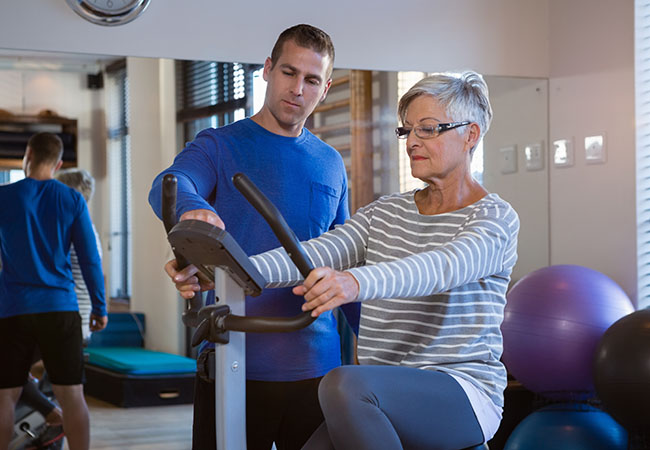
- Low-impact exercises such as walking or riding a stationary bike increase circulation and reduce stiffness without straining the body. Over time, they can be an effective way to manage pain and reduce fatigue.
Stretching and Mobility Work
- Gentle stretching reduces muscle tension and improves joint mobility. It also helps prevent muscles from shortening due to inactivity.
Strengthening Exercises
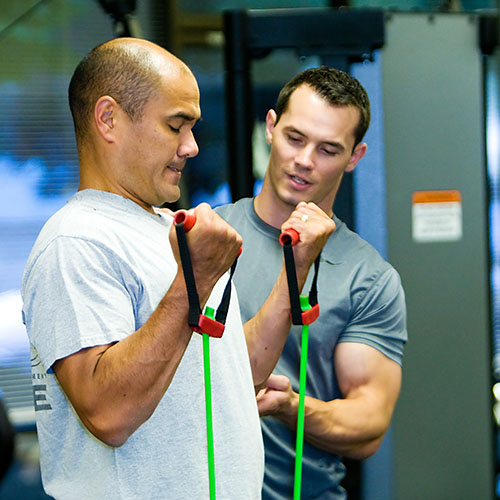
- Light resistance training improves muscle support around joints, making movement less painful and allowing you to become more active. We’ll show you exercises modified to your needs.
Posture and Body Mechanics Training
- Poor posture can increase pain and lead to muscle fatigue. We’ll help you understand how you sit, stand, and move and work with you to improve core strength for better spinal alignment.
Education and Pacing Strategies
- Our physical therapists can help you better understand what’s causing your symptoms (and how to avoid them) and provide tips on pacing your activities and effectively managing energy levels.

The Many Benefits Of PT
With consistency, physical therapy can help reduce pain and increase your ability to do more in daily life. Our patients often report the following benefits after working with our team:
- More energy and less fatigue
- Fewer flare-ups
- Less joint stiffness and improved movement
- Improved sleep quality
- A greater sense of control over their symptoms

Don’t Let Fibromyalgia Rule Your Life
We understand that living with fibromyalgia can be incredibly overwhelming — but you don’t have to manage it alone. The team at Therapy Fit provides a structured, supportive way to move more, hurt less, and regain confidence in your body.
We’re here to support your progress and help you feel your best. Call us today to schedule your initial consultation!
Our Patients Get Great Results
“I had been struggling with persistent neck pain, and Therapy Fit provided exceptional care that truly made a difference. From the very first session, the team was professional, knowledgeable, and attentive to my needs. They tailored a treatment plan specifically for me, incorporating effective techniques that gradually alleviated my discomfort. Now, my neck pain is completely gone, and I feel better than ever! I highly recommend Therapy Fit to anyone looking for expert physical therapy and personalized care.”
— Kancharla V.S.
“It was one of the best experiences I had. Very nice people — quality treatment.”
— Arif B.


Treating Fibromyalgia
The Connection Between Exercise and Pain Relief
Exercise plays a key role in managing fibromyalgia symptoms — which can strike many people as surprising. After all, the chronic pain and fatigue that mark fibromyalgia can make the idea of exercise incredibly daunting. But with a guided approach and some help from Therapy Fit, you can get moving in a way that works for you.
Why Is Exercise Important in Managing Fibromyalgia?
Engaging in physical activity leads to several positive changes in the body that help reduce pain and improve function:
Activates Natural Pain Inhibitors
Exercise stimulates the release of endorphins, the body’s natural painkillers, which can diminish pain perception.
Enhances Strength and Mobility
Exercise helps you move more efficiently, reducing stress on your joints that can cause pain.
Improves Sleep Quality
Regular physical activity has been linked to better sleep patterns, which can help reduce fatigue and pain sensitivity.
Encourage Blood Circulation
Exercise improves blood flow and oxygen delivery to muscles, potentially reducing stiffness and discomfort.


How We’ll Help You Get Active
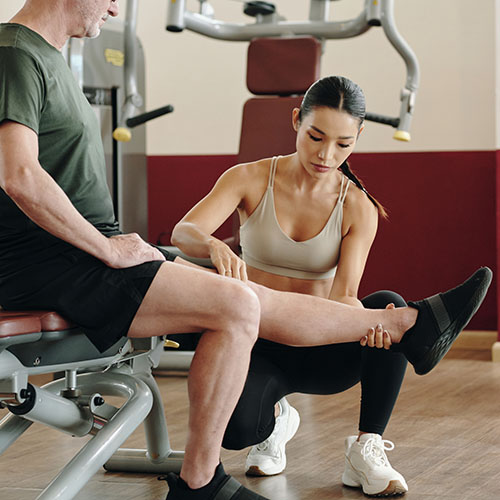
- We tailor our exercise plans to your current fitness level and specific symptoms, ensuring a gradual and comfortable progression.
- We’ll guide you through each exercise, ensuring proper technique to maximize benefits and minimize discomfort.
- We serve as your own personal cheerleader, offering you continuous encouragement to help you integrate exercise into your daily routine.
Starting an exercise program may seem challenging when you’re living with fibromyalgia symptoms. However, our dedicated will offer the tools and support you need to manage your pain and improve your quality of life.

Stay In The Game
Boost Your Game with Injury Prevention Tips!
At Therapy Fit, we are totally focused on helping athletes like you get back on track if you’ve had a recent injury. We check out what’s causing any aches or trouble moving so we can figure out the best way to help you.
We’ll also guide you through the steps to prevent injuries and ensure you are getting stronger and ready to return to the sport you love so much.
Here Are Our Top Tips to Help You Stay Injury-Free:
- Sleep: Getting plenty of sleep is a big deal. Studies show that good sleep can help prevent injuries.
- Strength Training: This is a great way to build strong muscles that can help keep you safe while playing.
- Nutrition: Eating balanced meals is essential for staying healthy and avoiding injuries.
- Hydration: Drinking enough water is critical for helping you recover and keeping injuries away.
- Avoiding Fatigue: Making sure not to overdo it and giving yourself breaks is vital to stay away from injuries.
Our goal is to help you return to your training and competition, using targeted exercises that help prevent any injuries. We’re here to help you face your sport’s challenges with more strength and confidence!

Exercise of the Month
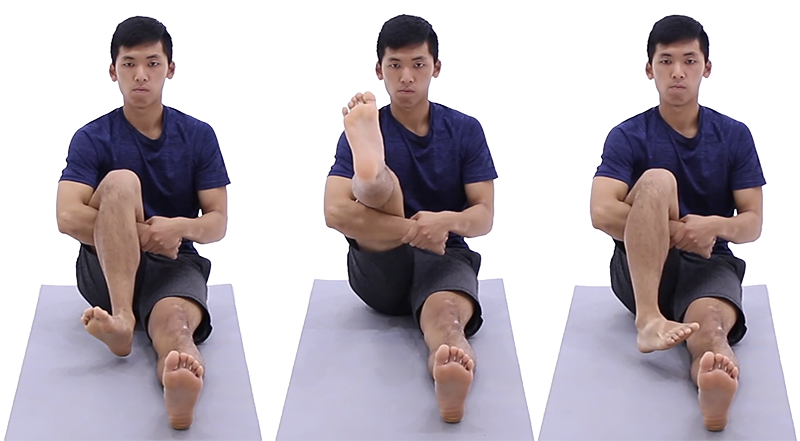
Knee Controlled Articular Rotations
Start by sitting on the ground with one leg straight and your other leg raised slightly resting on your forearm. Your heel should not be touching the floor. Turn your foot out as far as possible at your ankle and then extend your knee as much as possible. Turn your foot inward as far as possible and bend your knee as much as possible.


Feel Better by Eating Better!
Sheet-Pan Chipotle-Lime Shrimp Bake
Looking for a flavorful, no-fuss dinner packed with zesty spice and wholesome ingredients? This Sheet-Pan Chipotle-Lime Shrimp Bake is the perfect weeknight meal! Roasted baby red potatoes create a hearty base, while asparagus, Broccolini, and succulent shrimp are infused with a smoky chipotle-lime butter for a deliciously bold kick.
Preheat oven to 400°. Place potatoes in a greased 15x10x1-in. baking pan; drizzle with olive oil. Sprinkle with 1/4 teaspoon sea salt; stir to combine. Bake for 30 minutes. Meanwhile, squeeze 1/3 cup juice from limes, reserving fruit. Combine the lime juice, melted butter, chipotle and remaining 1/2 teaspoon sea salt.
Remove pan from the oven; stir potatoes. Arrange asparagus, Broccolini, shrimp and reserved limes on top of potatoes. Pour lime juice mixture over vegetables and shrimp.
Bake until shrimp turn pink and vegetables are tender, about 10 minutes longer. Sprinkle with minced fresh cilantro.
www.tasteofhome.com/recipes/sheet-pan-chipotle-lime-shrimp-bake/
Ingredients
- 1-1/2 pounds baby red potatoes, cut into 3/4-inch cubes
- 1 tablespoon extra virgin olive oil
- 3/4 teaspoon sea salt, divided
- 3 medium limes
- 1/4 cup unsalted butter, melted
- 1 teaspoon ground chipotle pepper
- 1/2 pound fresh asparagus, trimmed
- 1/2 pound Broccolini or broccoli, cut into small florets
- 1 pound uncooked shrimp (16-20 per pound), peeled and deveined
- 2 tablespoons minced fresh cilantro
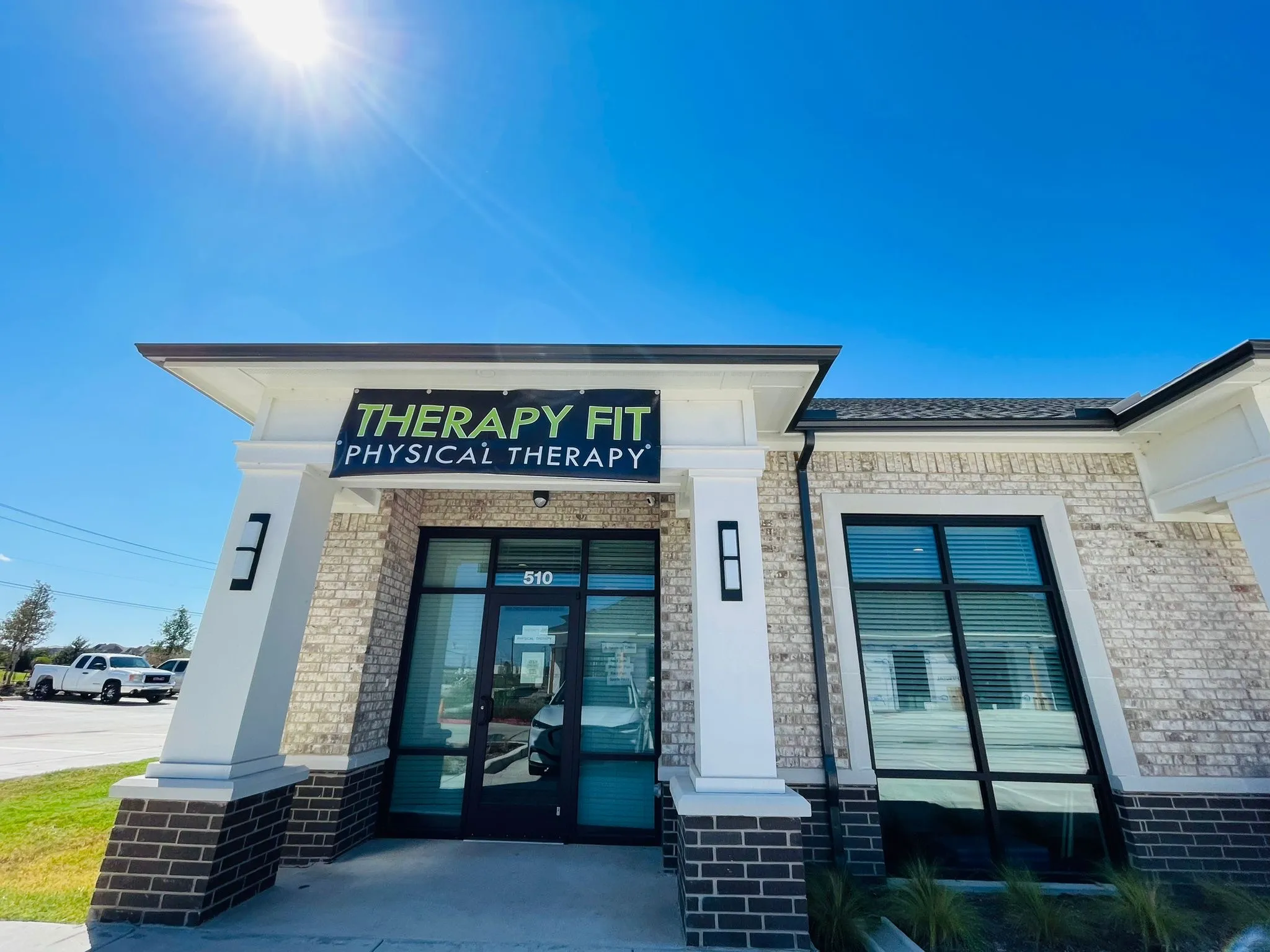
Exciting News:
Therapy Fit Expands to Prosper, TX!
We are thrilled to announce the opening of Therapy Fit’s new clinic location in Prosper, TX! Conveniently located at 1630 West Prosper Trail, Suite 510, our new clinic offers the same exceptional care and services you’ve come to expect.
We are now accepting appointments! Call us at (945) 256-1199 or fax us at (972) 535-5940. Our hours are Monday through Friday, 8:00 a.m. to 7:00 p.m., and Saturdays, 9:00 a.m. to 2:00 p.m. We can’t wait to welcome you to our new space and continue supporting your health journey!
Let’s Get You Better ASAP!
Don’t let pain dictate your life. Take the first step towards reclaiming your mobility and well-being with our expert support. Start your journey to a healthier you today.