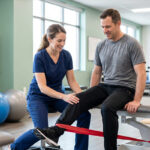


Free Screenings
Join us on Saturdays from 9 am – 2 pm for FREE Screenings
(first come first serve basis, about 8 patient slots available per Saturday)
“This place provides Free Screenings every Saturday. I went to check my shoulder problem during their Free Screening event. The physical therapist took enough time to patiently assess me and also explain why I am getting the pain and how to fix it. I went for a few sessions of therapy following that. The treatment and tips they provided were very useful. I am a lot better now and play without limitation. I would recommend you use their free screening as they are very good at identifying problems at the very root stage level and treating them too.”
– Bhavya B.
How Poor Posture Causes Pain
The Foundation of a Pain-Free Body with Postural Awareness
— August 2025 —
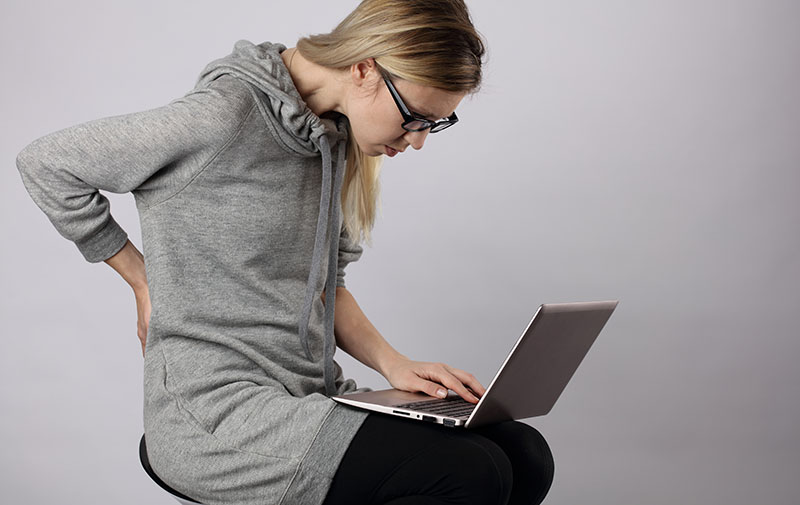
Posture – how you hold your body when you stand, sit, and move throughout the day – can have a direct impact on headaches, neck pain, and even back pain. Postural awareness refers to the recognition and maintenance of proper body alignment. It plays a crucial role in preventing pain and promoting overall well-being. By paying attention to our posture during the day, we can identify and address potential posture-related problems before they escalate.
Take a moment to notice your posture, then keep reading to see how it could be affecting your body.
The Impact of Poor Posture on Different Types of Pain
Migraines and Headaches
The way you hold your neck and shoulders can contribute to tension headaches and migraines. Slouching or craning the neck forward puts excessive strain on the muscles and joints in the upper back and neck region, which can lead to and aggravate headaches. Improving posture through postural awareness, proper ergonomics, and exercises can relieve this strain and reduce the frequency and intensity of headaches.
Neck Pain
Prolonged forward head posture or hunching over electronic devices can cause neck pain and stiffness. Identifying and maintaining your ideal posture while sitting can help alleviate neck pain by reducing muscle tension and promoting proper joint position.
Upper Back Pain
Slouching or rounded shoulders can result in upper back pain. Strengthening the upper back muscles, correcting rounded shoulder posture, and incorporating regular breaks can significantly reduce upper back discomfort and improve overall posture.
Lower Back Pain
Sitting with poor posture, such as slumping or excessively arching the lower back, can lead to lower back pain. Engaging in exercises that restore or improve mobility, strengthen the core muscles, practicing proper sitting and standing posture, and using ergonomic supports like lumbar pillows or chairs can help alleviate lower back pain by providing support and reducing strain on the spine.
What to Expect in Physical Therapy for Postural Awareness
Postural Assessment
We will conduct a comprehensive postural assessment by evaluating your standing, sitting, and walking posture to identify any misalignments, limitations in motion, or areas of tension. By understanding your unique postural patterns, we can tailor a treatment plan to address specific areas of concern.
Manual Therapy
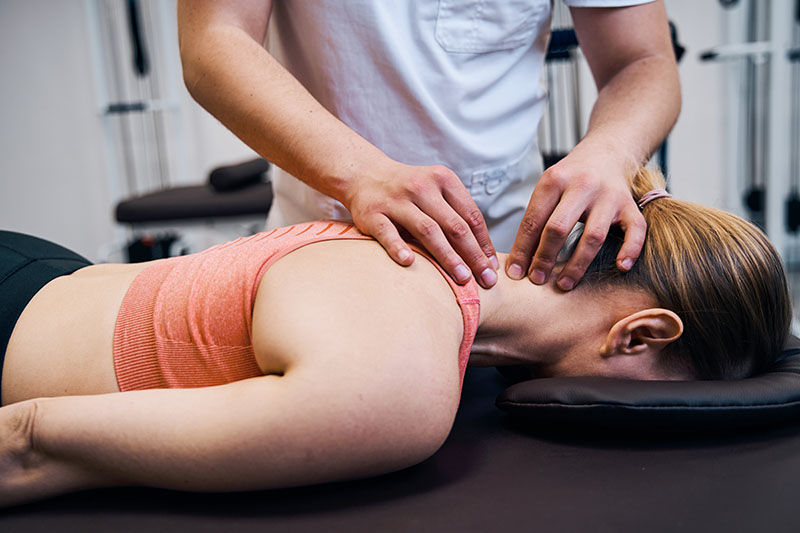
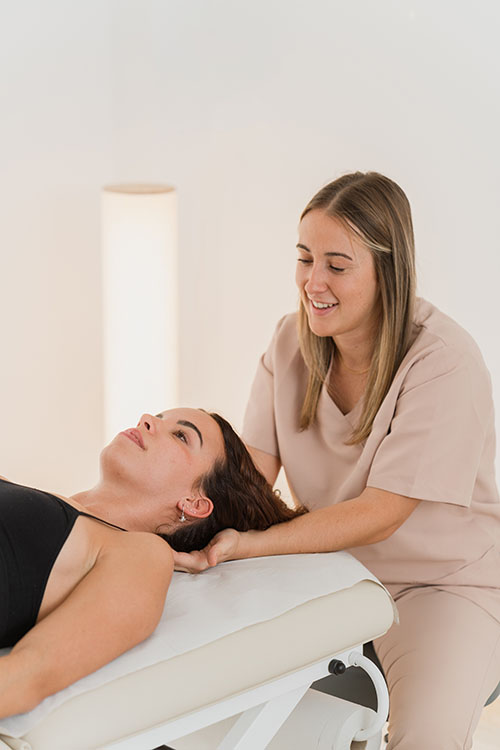
Depending on your specific needs, our physical therapists may use hands-on techniques such as soft tissue or joint mobilization or myofascial release to address areas of muscle tightness or joint stiffness. These techniques can help improve range of motion, reduce pain, and enhance overall postural alignment.
Muscle Strengthening
This involves targeted exercises to strengthen muscles that support good posture, such as the muscles of the neck, upper back, and core. Building these muscle groups helps stabilize the spine and shoulders to reduce strain on the neck and alleviate pain altogether.
Education and Awareness
One of the primary goals of physical therapy for postural awareness is to educate you about the importance of proper posture and how it contributes to neck pain. You’ll learn ergonomic principles for sitting and standing, techniques to maintain a neutral spine, and strategies to avoid common postural pitfalls.
Ergonomics for Neck and Back Pain
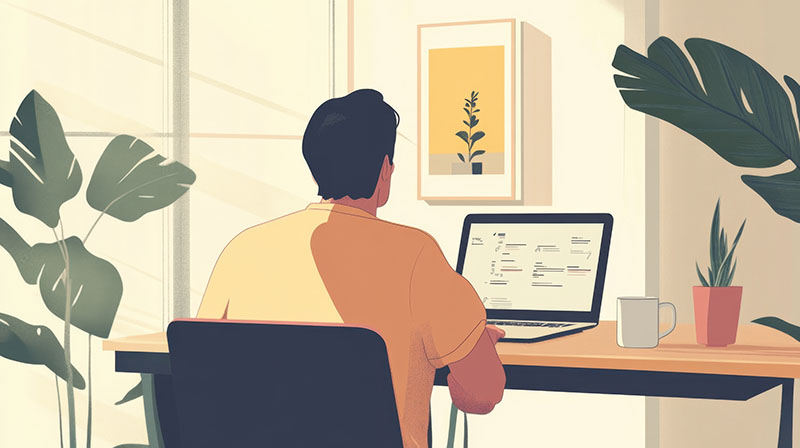
Proper ergonomics can help prevent and alleviate neck and back pain. It involves optimizing your workspace and daily activities to promote postural awareness and reduce strain on the muscles that support the spine. Key ergonomic tips for neck and pain relief include:
- Adjust Your Workspace: Ensure that your desk, chair, and computer monitor are ergonomically aligned. Your computer screen should be at eye level to avoid straining your neck by looking up or down. Use an adjustable chair with good lumbar support to maintain a neutral spine position.
- Use Proper Lifting Techniques: When lifting heavy objects, never lift a heavy item above your shoulders or twist your upper body. It’s also important to keep your feet shoulder-width apart with your head up and in line with your shoulders and back.
- Take Frequent Breaks: Incorporate regular breaks into your routine to stand up, stretch, and move around. Prolonged sitting can contribute to back pain, so aim to stand or walk for a few minutes every hour to relieve pressure on your spine.
Finally, whether sitting, standing, or moving, maintain proper posture by keeping your shoulders relaxed, spine aligned, and feet flat on the floor.
Book an Appointment at Therapy Fit Today!
Poor posture can have a significant impact on your physical health and lead to various types of pain and discomfort. You can enjoy a more pain-free and active lifestyle by cultivating postural awareness, partnering with our physical therapists to make necessary corrections, and adopting healthy habits.
Our team will work to equip you with the knowledge and skills you need in order to maintain proper posture long-term to alleviate and prevent pain and promote overall spinal health. So don’t wait for the pain to take over – come see us today!
Our Patients Get Great Results
“I am now pain-free!“
“I had a lot of scar tissue and pain. I came to Therapy Fit and was very pleased with the treatments that they did to alleviate my pain. I feel so much better!”
— Mary C.
“I am back to an active life!“
“I have seen them for different ailments over the years. I am almost 73 years old. They have been the best in getting me back to active and doing the things I enjoy without pain.”
— Connie

Exercise of the Month
Neck Glide
Stand tall with your shoulders relaxed and your head in a neutral position. Gently draw your head straight backward, keeping your chin level—like you’re trying to make a double chin. Avoid tilting your head up or down. Hold briefly, then return to the starting position.
3 Sets, 10 Reps.
Feel Better by Eating Better!
Homemade Electrolyte Drink
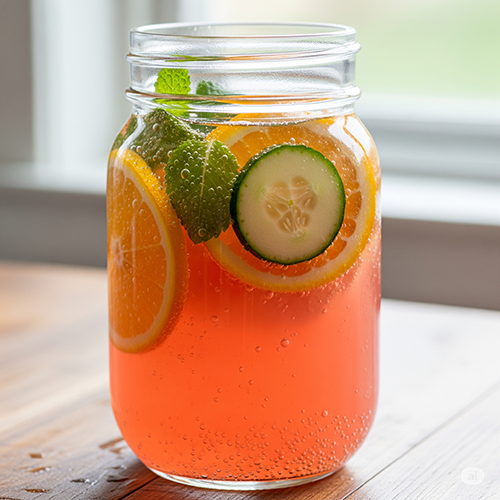
This homemade electrolyte drink is light, refreshing, and easy to drink. It’s packed with electrolytes, vitamins, and minerals from natural ingredients, and takes just minutes to make. Perfect for long days on the golf course or when you’re sick!
Ingredients
- 1 cup coconut water
- 1 cup filtered water
- 1 tablespoon raw honey
- Juice of 1 lemon or 1 1/2 limes
- 1/8 teaspoon unprocessed sea salt
Blend: Add all of the ingredients into a blender and blend until combined. You can also stir everything together in a large mason jar.
Store: Store in a mason jar in the refrigerator for up to 3 days.
https://coconutsandkettlebells.com/diy-natural-electrolyte-drink/
Exciting News:
Therapy Fit Expands to Prosper, TX!
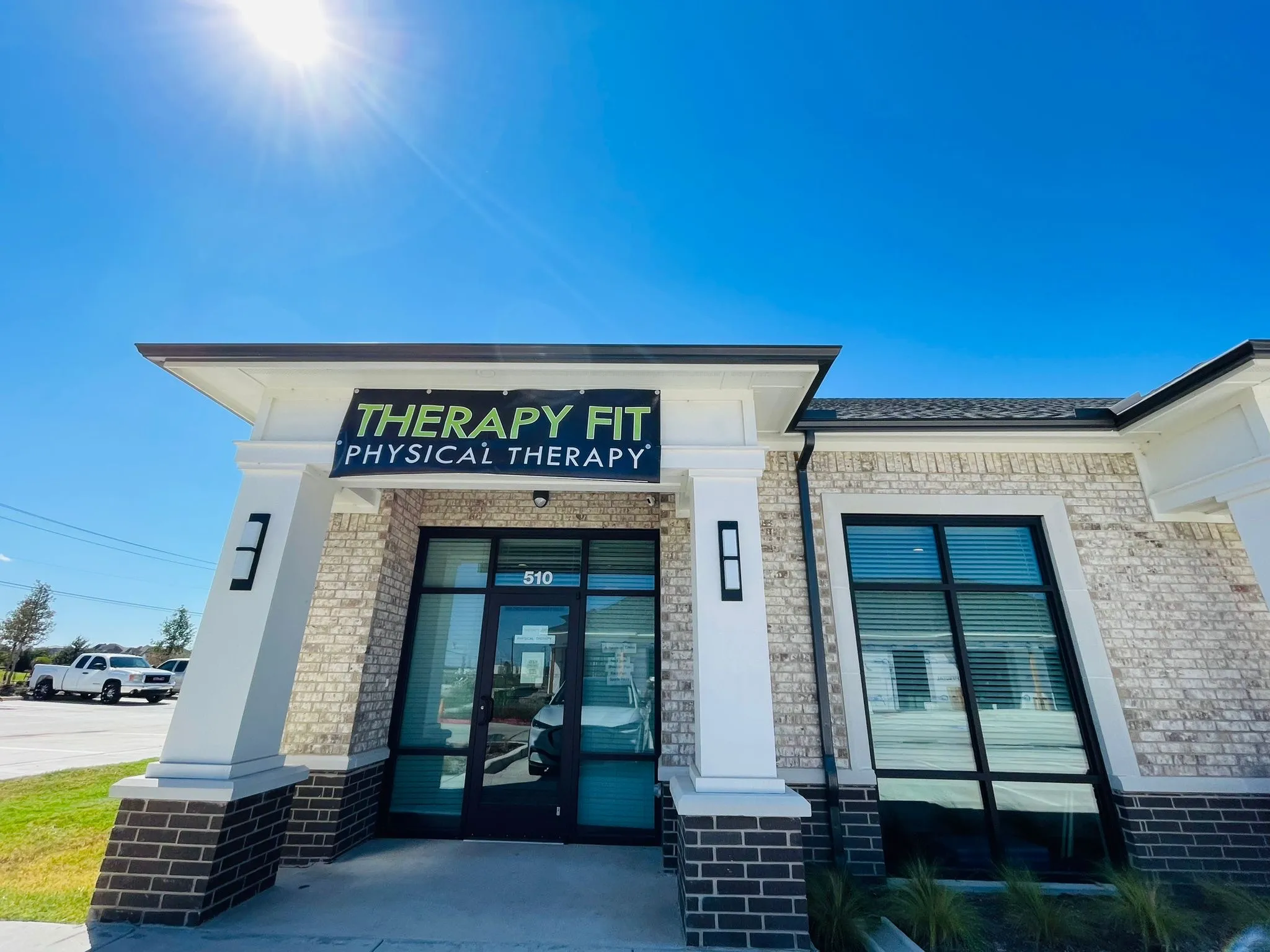
We are thrilled to announce the opening of Therapy Fit’s new clinic location in Prosper, TX! Conveniently located at 1630 West Prosper Trail, Suite 510, our new clinic offers the same exceptional care and services you’ve come to expect.
We are now accepting appointments! Call us at (945) 256-1199 or fax us at (972) 535-5940. Our hours are Monday through Friday, 8:00 a.m. to 7:00 p.m., and Saturdays, 9:00 a.m. to 2:00 p.m. We can’t wait to welcome you to our new space and continue supporting your health journey!
Let’s Get You Better ASAP!
Don’t let pain dictate your life. Take the first step towards reclaiming your mobility and well-being with our expert support. Start your journey to a healthier you today.