


Free Screenings
Join us on Saturdays from 9 am – 2 pm for FREE Screenings
(first come first serve basis, about 8 patient slots available per Saturday)
Is Your Head Spinning?
— January 2025 —

Have you ever had a sudden sense that you’re spinning in place — even though you’re standing perfectly still? If so, then you’ve experienced vertigo, an unnerving sensation that often indicates an underlying issue with your vestibular system.
A single incident of vertigo probably isn’t anything to worry about, as the sensation isn’t typically harmful in and of itself. However, multiple vertigo attacks could indicate an underlying issue with your vestibular system, which helps manage your balance and spatial awareness. Frequent vertigo can also increase fall risk, leading to potential injury or hospitalization.
While vertigo can feel hallucinatory and strange, it is more often than not rooted in a physical issue — one that the physical therapists at Therapy Fit can help address. Our team’s understanding of your body’s vestibular and balance systems ensures you can find the relief you need to live a full, healthy life.
Don’t let vertigo sweep you off your feet. Call us today to schedule an initial consultation!
Understanding Vertigo: What It Is, What It Feels Like, and What Causes It
Many people use the terms “vertigo” and “dizziness” interchangeably, but vertigo is a specific type of dizziness. Dizziness can refer to a range of sensations: wooziness, lightheadedness, etc. Vertigo refers to a particular sensation in which you feel like you or the space you’re in is spinning.
Vertigo is closely associated with your vestibular system, which is located in your inner ear (the peripheral vestibular system) and in your cerebellum (the central vestibular system). Most people with vertigo have an impairment in the peripheral vestibular system: the structures and canals of the inner ear.
What sort of impairments? Here are a few of the most common:
Benign Positional Paroxysmal Vertigo (BPPV)
The most common source of vertigo, this occurs when tiny crystals build up in the inner ear canal.
Meniere’s Disease
This results from fluid buildup in your inner ear. In addition to vertigo, you might experience hearing loss or muffled hearing, tinnitus, and a sense of fullness in the ear.
Labyrinthitis
This is an inner ear inflammation resulting from an infection.
Our physical therapists will work with you and other providers, if needed, to determine the exact root of your vertigo attacks.
Physical Therapy’s Role in Treating Vertigo
Many people are surprised that physical therapy is a standard treatment for vertigo, but it’s true, especially if you have peripheral vertigo. Our therapists will blend several different treatments to help manage your vertigo attacks while working to improve your overall balance and stability:
Vestibular rehabilitation is a specialized form of physical therapy that consists of exercises specifically designed to address issues with the vestibular system, including relaxation techniques, gaze stabilization exercises, and more.
Repositioning maneuvers help people with BPPV. We can dislodge the crystals causing your symptoms by positioning your head in certain ways.
Balance training is an integral part of any vertigo treatment plan. We’ll walk you through exercises designed to challenge — and improve — your overall balance, which helps reduce your fall risk.
Conditioning programs are another important piece in the vertigo puzzle. Muscular weakness, particularly in the core, can contribute to balance issues; a tailored exercise program will help you build the strength you need to stay on your feet.
Finally, patient education ensures you understand the cause of your vertigo and have the tools you need to manage it. For example, we can help you identify and avoid vertigo triggers and provide strategies to make it through vertigo attacks.
Say Goodbye to Vertigo. Call Therapy Fit Today!
Although it’s not life-threatening, vertigo can profoundly impact your overall quality of life. Many people with frequent vertigo are less likely to go out or participate in their favorite recreational activities for fear of an ill-timed attack. But our physical therapists can help control – and sometimes even resolve — your vertigo, ensuring you live a rich, active life.
Ready to learn more? Call to schedule an appointment today.


Our Patients Get Great Results
“I visited this clinic yesterday for physiotherapy due to severe neck and shoulder pain. Although I didn’t have an appointment, they were kind enough to prioritize me. The therapy I received was incredibly effective — within just a few minutes, I felt significant relief and was able to move my neck more freely after the exercises and treatment. The service was exceptional, and I felt completely relaxed by the end of my session. If you’re dealing with cramps, neck or back pain, or similar issues, I highly recommend this place.”
– Prema M.
Two Ways Therapy Fit Can Help Address Vertigo
Vertigo can profoundly impact your quality of life. This unnerving spinning sensation can affect balance and mobility and make it difficult to stay active and independent.
Fortunately, physical therapy at Therapy Fit offers several options for addressing vertigo. Today, we’d like to spotlight two of them.
1. Canalith Repositioning Maneuvers
One of the most common sources of vertigo is benign paroxysmal positional vertigo (BPPV). It occurs when tiny crystals become dislodged in the inner ear, disrupting your vestibular system–the system responsible for helping your body stay balanced.
The good news is that BPPV is easy to treat using a series of specialized head maneuvers. These maneuvers move the crystals back into their proper position, helping minimize vertigo attacks. Our therapists will guide you through the different maneuvers and can show you how to perform them at home.
2. Craniosacral Therapy
Of course, not everyone with vertigo necessarily has BPPV, which means they’ll require another treatment technique to alleviate their symptoms. While there are various options, craniosacral therapy is one we often recommend.
This hands-on approach can help reduce vertigo by addressing imbalances in the craniosacral system, which includes the membranes and fluids surrounding the brain and spinal cord. We’ll apply light pressure to specific areas of the head, neck, and spine to release tension and improve the flow of cerebrospinal fluid.
This process calms the nervous system, reduces pressure in the inner ear, and addresses misalignment in the head or neck that might contribute to your vertigo.

Let Us Help Manage Your Vertigo!
We recognize the challenges of living with vertigo – and Therapy Fit team is here to help you find the relief you deserve. Schedule an appointment today to learn more about your different treatment options.
Exercise of the Month
Single Leg Balance (Ankle)
Start by standing up straight with your feet close together. Slowly raise one foot off the ground slightly. Make sure to brace your abdominals. Hold for 30 seconds and repeat twice on both legs.



Feel Better by Eating Better!
Anti-Inflammatory Ginger & Turmeric Carrot Soup
- 1 tablespoon olive oil
- 1 leek, cleaned and sliced
- 1 cup chopped fennel bulb (1 small head)
- 3 cups chopped carrots
- 1 cup chopped butternut squash (or more carrots)
- 2 garlic cloves, minced
- 1 tablespoon grated ginger (about a 2-inch piece)
- tablespoon turmeric powder
- Salt & pepper to taste
- 3 cups low-sodium vegetable broth
- 1 can lite coconut milk (14.5 ounces)
Heat the olive oil in a large dutch oven or saucepan. Add the fennel, leeks, carrots, and squash. Sauté for 3-5 minutes until the veggies start to soften. Add the garlic, ginger, turmeric, salt, and pepper, and sauté for a few more minutes. Add the broth and coconut milk. Bring the mixture to a boil, cover, and simmer for 20 minutes. Once the soup is cooked, add it to a blender and blend until creamy. You could also use an immersion blender. Taste and adjust the seasonings to your taste. Serve immediately with a dollop of coconut yogurt and enjoy!
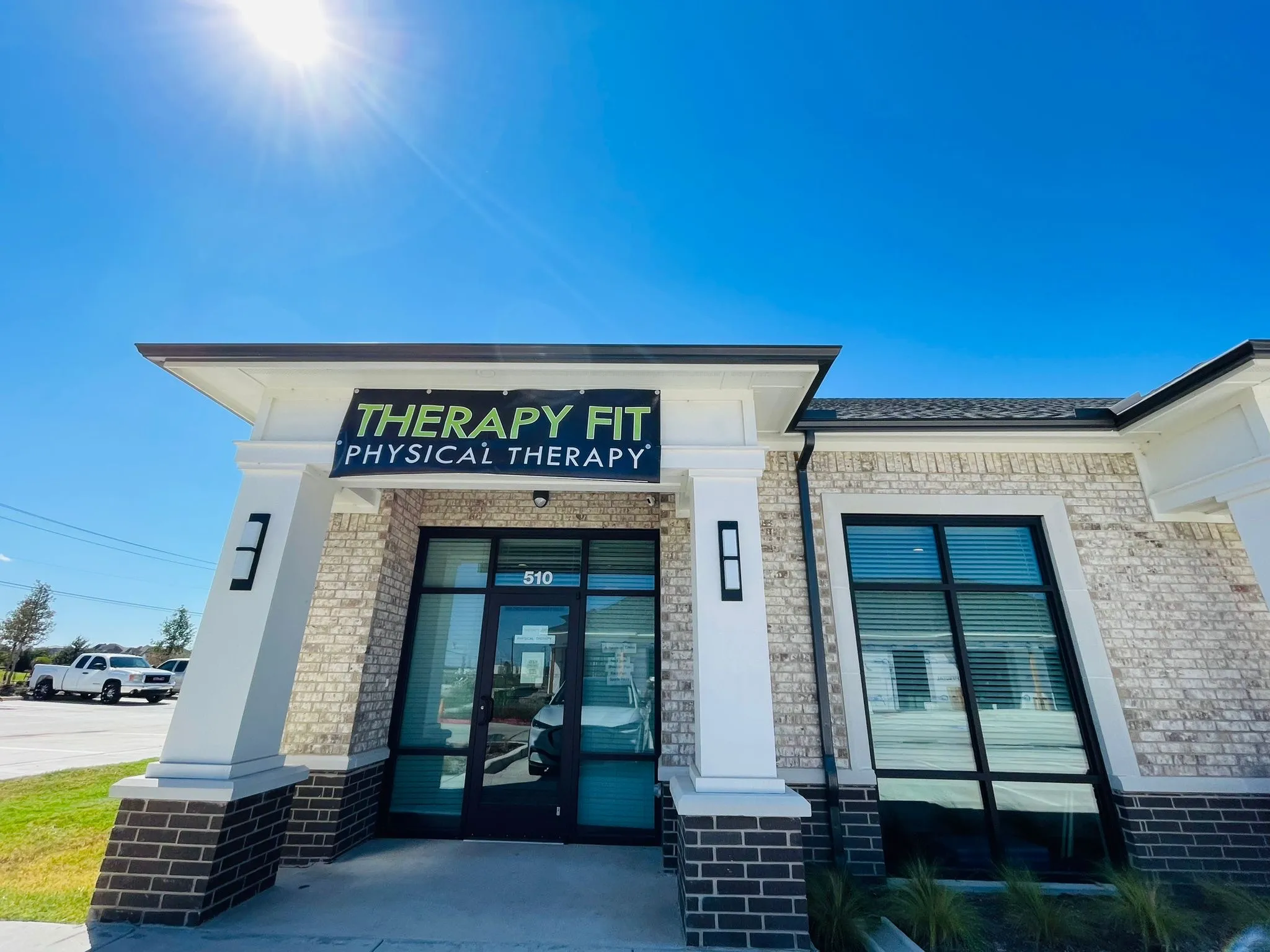
Exciting News:
Therapy Fit Expands to Prosper, TX!
We are thrilled to announce the opening of Therapy Fit’s new clinic location in Prosper, TX! Conveniently located at 1630 West Prosper Trail, Suite 510, our new clinic offers the same exceptional care and services you’ve come to expect.
We are now accepting appointments! Call us at (945) 256-1199 or fax us at (972) 535-5940. Our hours are Monday through Friday, 8:00 a.m. to 7:00 p.m., and Saturdays, 9:00 a.m. to 2:00 p.m. We can’t wait to welcome you to our new space and continue supporting your health journey!
Let’s Get You Better ASAP!
Don’t let pain dictate your life. Take the first step towards reclaiming your mobility and well-being with our expert support. Start your journey to a healthier you today.