

Free Screenings
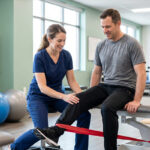
Join us on Saturdays from 9 am – 2 pm for FREE Screenings
(first come first serve basis, about 8 patient slots available per Saturday)
“This place provides Free Screenings every Saturday. I went to check my shoulder problem during their Free Screening event. The physical therapist took enough time to patiently assess me and also explain why I am getting the pain and how to fix it. I went for a few sessions of therapy following that. The treatment and tips they provided were very useful. I am a lot better now and play without limitation. I would recommend you use their free screening as they are very good at identifying problems at the very root stage level and treating them too.”
– Bhavya B.
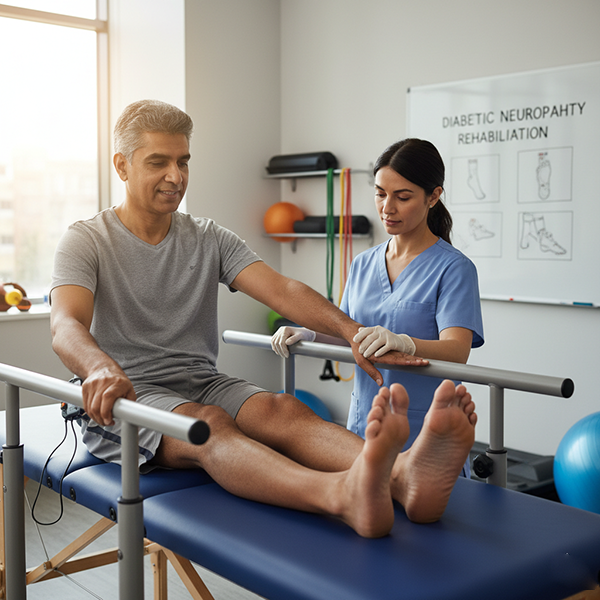
Managing Diabetic Neuropathy with Physical Therapy
How Our Team Can Help Improve Nerve Health and Mobility
— November 2025 —

Are you dealing with odd symptoms in your feet or legs, such as numbness, tingling, or muscular weakness? If you have diabetes, these symptoms aren’t just a nuisance–they could be a sign of diabetic neuropathy, which, if left untreated, can affect your independence and mobility.
Fortunately, you have options for taking control! In fact, physical therapy plays a critical role in helping people with diabetic neuropathy regain function, reduce discomfort, and stay active in their daily lives. At Therapy Fit Physical Therapy, we utilize proven techniques and one-on-one care to help you manage these symptoms and maintain a higher quality of life.
Why You Should Never Ignore Diabetic Neuropathy
Diabetic neuropathy refers to nerve damage caused by high blood sugar levels. Over time, excess glucose injures the small blood vessels that feed the nerves, leading to pain, numbness, or weakness, most often in the legs and feet.
Ignoring these signs can lead to serious complications, including:
- Loss of balance and increased fall risk, as numb feet make it harder to feel the ground
- Foot ulcers and infections that develop due to reduced sensation, which can hide cuts or blisters
- Muscle weakness and mobility restrictions from nerve damage
- Chronic pain, including burning or stabbing sensations, that can disrupt sleep and lower your quality of life.
The key to managing diabetic neuropathy is to begin treatment as early as possible. With help from our team, you can minimize your symptoms, protect your mobility, and prevent long-term complications.
How Physical Therapy Supports Nerve Health
At Therapy Fit Physical Therapy, we take a hands-on, highly personalized approach to diabetic neuropathy. Our team focuses on three main goals: easing symptoms, improving function, and preventing complications. Here’s how we do it:
Pain Management Techniques
One of the first things we’ll do is help reduce neuropathic pain through non-invasive treatments.
- Manual therapy helps ease stiff joints and improve blood flow.
- Soft tissue techniques help reduce tension and discomfort.
- Modalities, like heat, cold, or electrical stimulation, can calm nerve irritation.
Strengthening and Conditioning
Weak muscles put more strain on joints and nerves. Tailored exercises help rebuild strength and support movement.
- Targeted resistance training strengthens legs and core for better stability.
- Functional exercises like sit-to-stand drills, step training, or light weight-bearing work help you perform everyday tasks.
- Gentle cardio activities, such as stationary biking, improve circulation and endurance.
Balance and Coordination Training
Reduced foot sensation can make balance a challenge, but specialized training can boost your sense of stability.
- Balance exercises help you practice areas of concern, like standing on different surfaces, controlling weight shifts, and other dynamic balance tasks.
- Gait training reteaches proper walking mechanics to reduce fall risk.
- Assistive device training can help you properly use canes or walkers for added safety.
Foot Care and Sensory Training
Because neuropathy often affects the feet first, we place special focus on your foot health.
- Foot and ankle strengthening keeps joints mobile and supports balance.
- Sensory re-education exercises retrain your nerves to better detect touch or pressure.
- Guidance on footwear, daily checks, and skin protection can help you avoid injury or other issues.
Lifestyle and Wellness Integration
We emphasize a whole-person approach. Physical therapy complements medical management by encouraging healthier daily habits.
- Stretching programs help maintain mobility and reduce stiffness.
- Activity pacing can help you stay active without overloading the body.
- Wellness coaching encourages consistent exercise and posture habits.
Experience the Therapy Fit Physical Therapy Difference
At our clinic, we take a unique approach to physical therapy. Instead of a rotating model of care, you’ll work directly with the same therapist throughout your treatment, ensuring continuity and personal attention. We’ll also closely track your progress and adjust your treatment in real time, ensuring your needs are met as quickly as possible.
Diabetic neuropathy doesn’t have to mean a steady decline in mobility or comfort. With our expert support and focused therapy, many of our patients improve their function and rediscover the activities that matter most to them.
If you or a loved one is struggling with diabetic neuropathy, Therapy Fit Physical Therapy is here to help. Schedule an initial appointment today to learn how we can help you improve your nerve health, reduce pain, and achieve lasting independence.
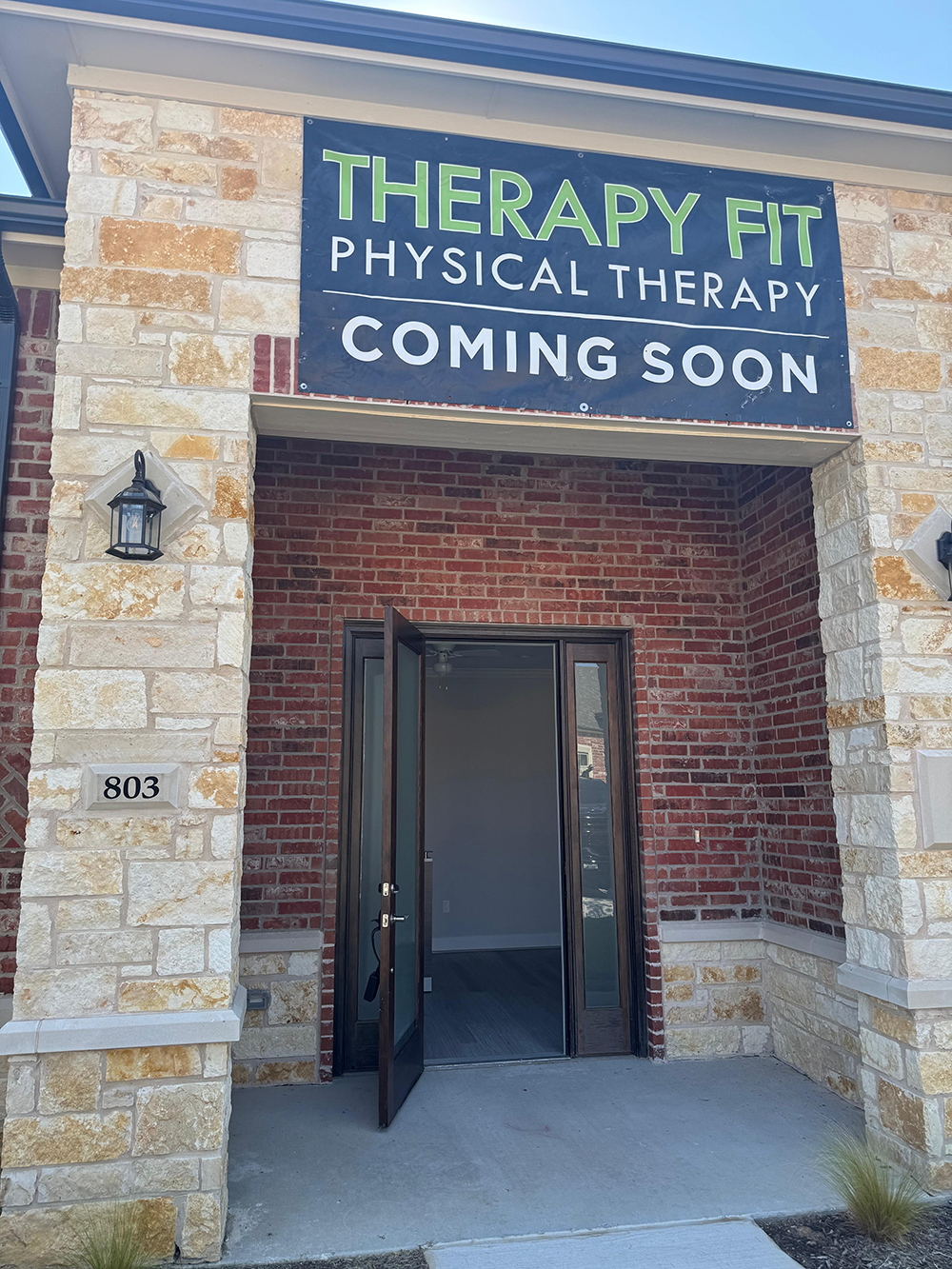
Exciting News – Our New West Frisco Clinic is Open!
We’re thrilled to announce that Therapy Fit has officially opened a brand-new location in West Frisco, TX! This expansion allows us to serve even more patients with the same exceptional, evidence-based care you’ve come to expect from our team.
📍 New Address:
400 Stonebrook Pkwy, Unit 803
Frisco, TX 75036
📞 Phone: 972-845-4739 | Fax: 972-861-5156
📧 Email: therapyfit.wf@gmail.com
⏰ Hours: Monday–Friday | 8:00 AM – 7:00 PM
We celebrated our Grand Opening on August 18, and our doors are now open to welcome you and your loved ones!
What We Treat
Our West Frisco clinic specializes in helping patients recover from:
- Auto Accident Injuries
- Frozen Shoulder
- Back & Neck Pain
Our Evidence-Based Services
- Manual Therapy
- Hands-On Joint Mobilization
- Functional Mobilization Techniques
Whether you’re looking to restore mobility, relieve pain, or prevent future injuries, our expert team is here to help you move better and live stronger.
Ready to schedule your appointment? Call us today at 972-845-4739 and experience the Therapy Fit difference at our new West Frisco location!
Don’t Let Your 2025 Insurance Benefits Go To Waste!
Take charge of your health today and make the most of your insurance benefits!
If you’ve already met your deductible this year or have funds left in your HSA account, you can take advantage of our remarkable opportunity at Therapy Fit Physical Therapy. Don’t let these valuable benefits go unused!
Our Patients Get Great Results
“I am doing a whole lot better. I highly recommend Therapy Fit!! You won’t go wrong.“
“Going to Therapy Fit for your PT concerns is the best place!! The doctor works with you from start to finish. The doctors evaluate each routine performed making sure that the patient continues to perform them correctly and is guided through each exercise. I feel valued as a patient. The staff are so welcoming and friendly and always ready to assist. I highly recommend Therapy Fit!! You won’t go wrong.” 😊
– L.M.G..
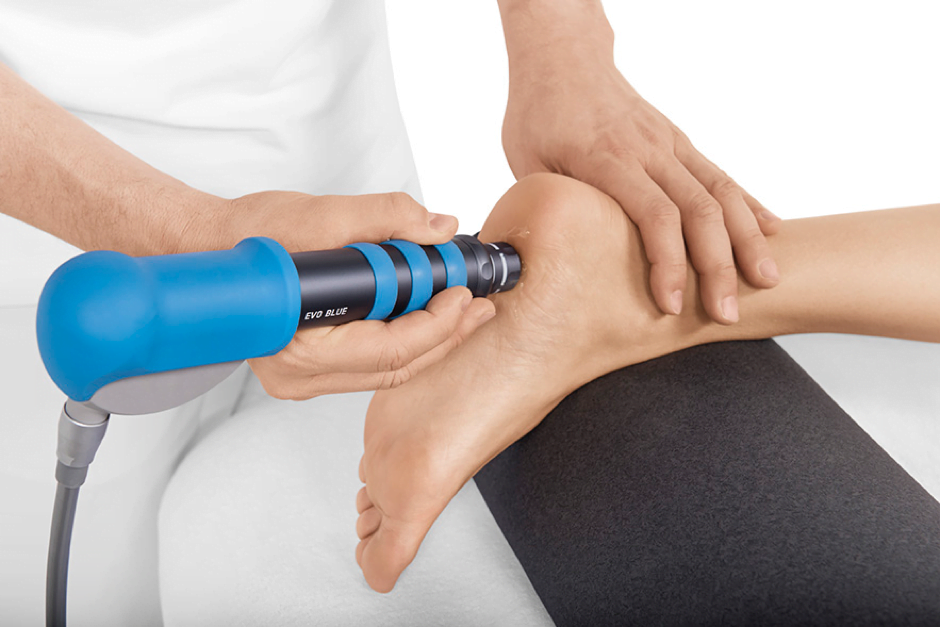
New Shockwave Therapy exclusively at our Frisco location only.

Fall Prevention for Diabetic Neuropathy
Balance and Strength Exercises to Reduce Your Fall Risk
One of the biggest challenges of diabetic neuropathy is that it can increase your risk of falling, which in turn increases your risk of injury or even hospitalization. This is because diabetic neuropathy weakens muscles and reduces sensation in the feet, making balance harder overall.
Fortunately, you can lower your fall risk with targeted exercises designed to improve balance and strength. Below, we share some of the exercises the Therapy Fit Physical Therapy team often recommends for people managing neuropathy. Just remember to check with them before giving them a try!
Four Simple Balance and Strength Exercises
1. Sit-to-Stand Practice
- Sit in a sturdy chair (no wheels!) with your feet flat on the ground.
- Stand up slowly. If it’s safe for you, try to do this without using your hands.
- Sit back down in a slow, controlled way.
- Repeat 10 times to strengthen thighs and hips.
2. Heel-to-Toe Walk
- Place one foot directly in front of the other so the heel touches the toes of the opposite foot.
- Repeat this pattern to walk forward for 10 steps, then turn around and return.
3. Calf Raises
- Rest your hands on a counter or sturdy chair for support.
- Rise onto the balls of your feet, then slowly lower back down.
- Repeat 10–15 times to build ankle and calf strength.
4. Single-Leg Stance (with support)
- Rest your hands on a counter or sturdy chair for balance
- Lift one foot slightly off the ground and hold for 10–15 seconds.
- Switch sides and repeat.
Looking for Extra Guidance? We Can Help.
Falls are a serious concern for people with diabetic neuropathy, but incorporating strength and balance exercises into your routine can make daily life steadier and safer.
Schedule an appointment with the Therapy Fit Physical Therapy team to receive a personalized exercise program that supports your long-term independence.
Exercise of the Month
Hamstring Stretch
(Hamstrings, Low Back)
Sit on the floor with legs extended straight in front of you. Loop an exercise band around the ball of your foot and gently pull back on the band while keeping your back straight. You should feel a stretch in the back of your thigh. Hold, then switch sides. 3 Sets, 30-Second Hold (each leg). (Materials needed: exercise band, floor mat)

The Best Easy Pumpkin Pie Recipe
- 1 15-ounce can unseasoned pumpkin puree
- 2 teaspoons pumpkin pie spice
- 1/4 teaspoon salt
- 1 14-ounce can low-fat sweetened condensed milk
- 2 large eggs, lightly beaten
- 1 prepared pie crust, preferably whole-wheat, at room temperature
Position rack in lower third of oven. Preheat to 425°F.
Place pumpkin, pumpkin pie spice and salt in a medium bowl; whisk until combined. Add condensed milk and eggs; whisk until smooth. Pour into pie crust.
Bake for 15 minutes. Reduce the oven temperature to 350° and bake until the filling is set and a knife inserted in the center comes out clean, 35 to 40 minutes more. (Cover the crust edges with foil if they are browning too quickly.) Let cool completely, about 2 hours, before slicing.
Let’s Get You Better ASAP!
Don’t let pain dictate your life. Take the first step towards reclaiming your mobility and well-being with our expert support. Start your journey to a healthier you today.