
Common Reasons for Balance Issues After Surgery
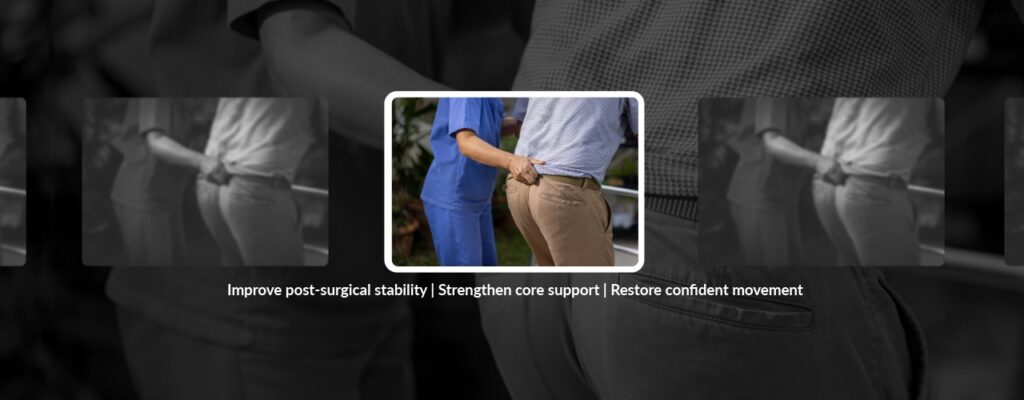
Recovering from surgery can be challenging, especially if you notice unexpected dizziness, unsteadiness, or trouble walking without support. Experiencing balance issues after surgery is more common than many realize, and the first thing the Therapy Fit Physical Therapy team will do is identify the underlying cause of your challenges. That way, we can help you find the best treatment plan for your unique needs.
Common Reasons Your Balance May Be Off After a Surgical Procedure
1. Muscle Weakness and Deconditioning
After surgery, your body naturally spends time at rest to heal. However, this period of inactivity can lead to muscle weakness and loss of coordination, especially in your legs and core. These muscles play a crucial role in keeping you steady. When they’re weak, even simple movements, like standing up or walking, can feel unstable.
What Helps?
- A guided physical therapy program can strengthen your muscles and retrain your body to move confidently again.
2. Effects of Anesthesia and Medications
Certain anesthetics and pain medications can cause dizziness, fatigue, or lightheadedness long after surgery. These side effects may make you feel off-balance or disoriented when standing or walking.
What Helps?
- Stay hydrated, move slowly when changing positions, and speak to your healthcare provider to see if you can adjust your medication or dosage.
3. Inner Ear (Vestibular) Problems
The inner ear controls much of your sense of balance. Surgery, especially around the head, neck, or ear, can sometimes disrupt the vestibular system. Even procedures unrelated to the ear can trigger temporary vestibular imbalances due to inflammation or medication effects.
What Helps?
- Several hands-on techniques can be highly effective for restoring balance and reducing dizziness.
4. Nerve Damage or Impairment
Some surgeries, particularly those involving the spine, hips, or knees, can affect nerve pathways that send signals to your muscles and joints. When these signals are disrupted, your body may struggle to coordinate movement, leading to balance issues after surgery.
What Helps?
- Physical therapy can retrain your nervous system, helping your brain and body reconnect through targeted balance and coordination exercises.
5. Changes in Gait and Posture
If your surgery involved a joint replacement or orthopedic correction, your walking pattern may change. Limping, stiffness, or favoring one side of the body can throw off your posture and lead to balance challenges.
What Helps?
- Gait training with a physical therapist can correct these movement patterns and restore your natural walking rhythm.
6. Low Blood Pressure or Circulatory Changes
Blood pressure often fluctuates after surgery, particularly if you’ve lost fluids or are adjusting to new medications. A sudden drop in blood pressure can cause lightheadedness or fainting when you stand.
What Helps?
- Rise slowly from sitting or lying down, drink plenty of fluids, and notify your care team if you experience frequent dizziness or blackouts.
7. Pain and Limited Mobility
Pain after surgery can make you hesitant to move normally, altering your balance and coordination. You may rely too much on one leg, use your arms for support, or take shorter steps, all of which can throw off stability.
What Helps?
- Pain management strategies, plus gentle movement and stretching, can help you maintain proper mobility while you heal.
8. Fear of Falling or Psychological Factors
Anxiety about falling can actually increase your risk of imbalance. Many people subconsciously change how they move after surgery due to fear or lack of confidence, which can alter their natural balance responses.
What Helps?
- Working with a physical therapist can rebuild your confidence through safe, progressive balance exercises in a controlled environment.
9. Inflammation and Swelling
Post-surgical inflammation can temporarily affect your joints and muscles, making them stiffer and less responsive. This stiffness can reduce your ability to sense your body’s position in space, also known as proprioception.
What Helps?
- Ice, gentle motion, and elevation can reduce swelling and improve your sense of stability as healing continues.
10. Delayed Recovery or Underlying Conditions
If you have pre-existing conditions such as diabetes, arthritis, or neurological issues, recovery may take longer and affect your balance. These factors can interfere with muscle control, joint mobility, or nerve function.
What Helps?
- A personalized rehabilitation plan that accounts for your medical history ensures a safer and more complete recovery.
Don’t Let Surgery Knock You Off Your Feet!
Balance issues after surgery can be temporary, but shouldn’t be ignored. Identifying and addressing the cause early through rehabilitation, exercise, and professional guidance can facilitate your recovery and prevent further injury. With the right support from the Therapy Fit Physical Therapy team, you can regain your stability and independence sooner than you think.
Schedule an appointment at our Frisco, TX, or Prosper, TX clinic today to get started!