Shoulder pain can interfere with nearly every aspect of daily life, from reaching overhead and lifting groceries to sleeping comfortably. One of the most common causes is rotator cuff injury pain, which can range from mild discomfort to severe weakness or loss of motion.
At Therapy Fit Physical Therapy, we regularly work with patients struggling with rotator cuff injuries. Let’s explore this common source of shoulder pain, including what we can do to help.
A Deep Dive Into Rotator Cuff Injuries
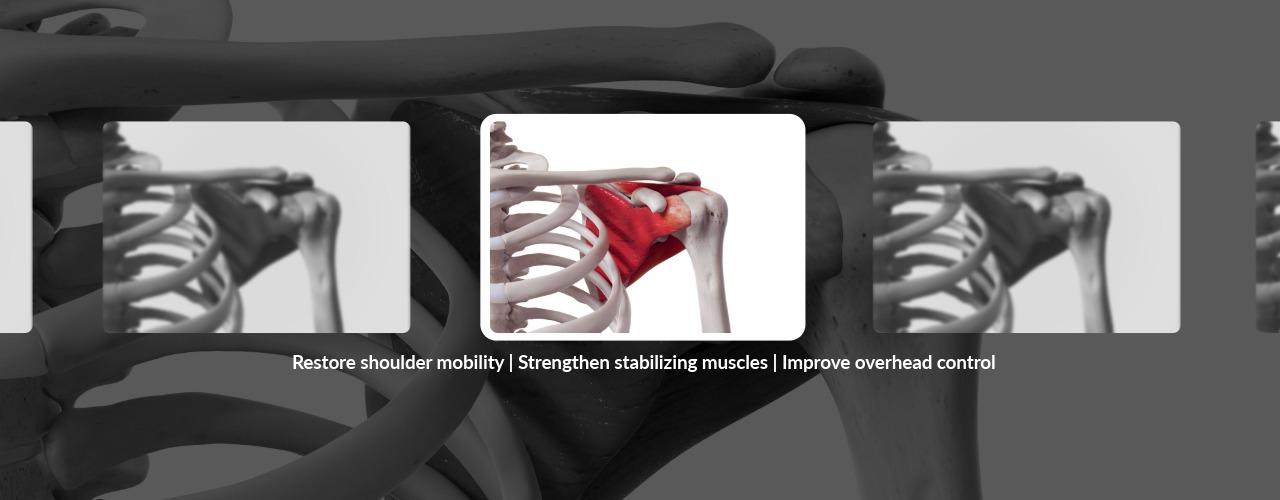
The rotator cuff is a group of four muscles and their tendons that surround the shoulder joint. Together, they stabilize the upper arm bone in the shoulder socket and allow you to lift, rotate, and reach with your arm.
Because the shoulder is the most mobile joint in the body, these muscles do a lot of work keeping it stable. When they become irritated, inflamed, or torn, even simple movements can become painful and difficult.
How Rotator Cuff Injuries Happen
Rotator cuff injuries are extremely common, especially in adults over 40 and people who perform repetitive arm motions. The injury may develop gradually from overuse or suddenly from trauma. Some of the specific causes include:
- Repetitive overhead movements, which are common in sports like tennis, swimming, or baseball, and jobs involving painting or lifting.
- Age-related wear and tear, which causes tendons to weaken and lose elasticity over time.
- Poor posture, like slouched shoulders, which can compress the rotator cuff tendons.
- Sudden injuries, such as falling on an outstretched arm or lifting something heavy too quickly.
Recognizing Rotator Cuff Injury Pain
The symptoms of rotator cuff injury pain vary from person to person, but often include a dull ache deep in the shoulder that worsens with movement. Other common symptoms include:
- Pain during activity and at rest, often radiating down the outside of the arm
- Weakness when lifting or rotating the arm
- Limited range of motion or stiffness
- Pain when lying on the affected shoulder
- Clicking or popping sensations when moving the arm
At first, the pain might only occur during overhead activities like reaching or throwing. As the condition worsens, pain may appear even during rest or sleep.
Why Rotator Cuff Injury Pain Persists
Rotator cuff injuries can be slow to heal because the tendons have a limited blood supply. Once inflammation or damage occurs, it can lead to a cycle of pain, stiffness, and weakness.
Pain often causes people to limit shoulder movement, leading to further tightness and muscle imbalance. Over time, these compensations can strain other areas, such as the neck or upper back, prolonging discomfort. Breaking this cycle requires restoring normal movement patterns and strengthening the surrounding muscles, something physical therapy is designed to do.
Treatment for Rotator Cuff Injury Pain
Physical Techniques for Addressing Rotator Cuff Injuries
Physical therapy is the foundation of effective treatment for rotator cuff injury pain. It addresses symptoms and the underlying causes, helping restore strength, mobility, and proper shoulder mechanics. Treatment techniques include:
1. Manual Therapy
Your therapist may use hands-on techniques such as soft tissue massage, myofascial release, and gentle joint mobilizations to reduce stiffness and improve shoulder mobility. These methods also help increase blood flow to the area, decrease inflammation, and prepare the shoulder for exercise.
2. Therapeutic Exercise
Targeted exercises help rebuild strength and restore balance to the rotator cuff and surrounding muscles. Early therapy may focus on gentle range-of-motion movements, progressing to resistance training using bands or weights as healing improves. Strengthening the shoulder blade muscles is also essential for long-term stability.
3. Posture and Movement Retraining
Poor posture, especially rounded shoulders and forward head positioning, stresses the shoulder tendons unnecessarily. Our physical therapists teach proper posture, ergonomic adjustments, and efficient movement patterns to relieve pressure on the rotator cuff and prevent re-injury.
Preventing Future Injury
Most people recover well with a structured rehabilitation plan, especially when they stay consistent with exercises at home. Recovery time depends on the injury’s severity. Minor strains may improve in a few weeks, while more significant tears can take several months.
To prevent future shoulder injuries:
- Maintain good posture, keeping your shoulders back and down.
- Warm up before sports or workouts.
- Strengthen rotator cuff and shoulder blade muscles regularly.
- Avoid repetitive overhead movements without rest.
- Listen to your body. Sharp pain is a warning sign that something’s wrong.
Our Team is Here to Help
Rotator cuff injury pain can be frustrating and limiting, but it doesn’t have to be permanent. With proper diagnosis, targeted physical therapy, and gradual strengthening, most people regain full motion and function without surgery.
If shoulder pain keeps you from reaching, lifting, or sleeping comfortably, don’t ignore it. The team at Therapy Fit Physical Therapy can help identify the root cause and guide you through safe, effective recovery, so you can move freely and confidently again. Schedule an appointment with us today to get started.