
Why Knee Pain Becomes Common in Older Adults
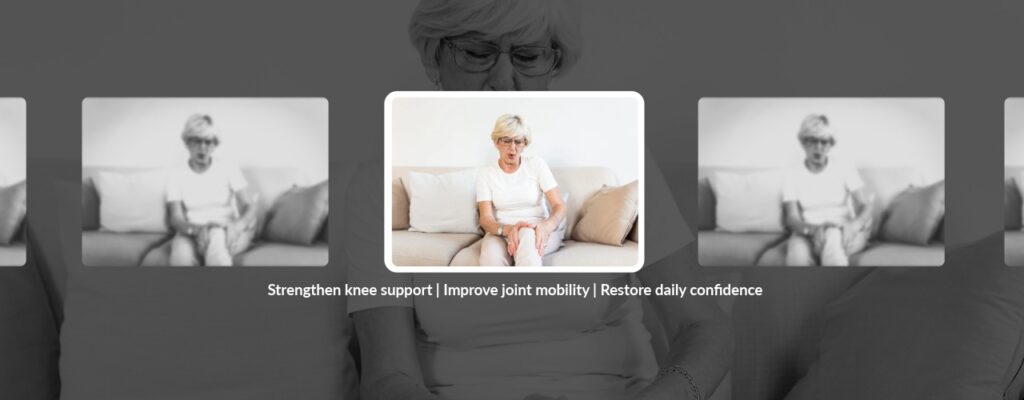
For many people, knee pain often appears gradually with age. You may notice stiffness upon waking, soreness after walking, or discomfort when climbing stairs. While these changes can feel like an inevitable part of growing older, knee pain in older adults usually has specific causes that the team at Therapy Fit Physical Therapy can help you address.
The knee joint is one of the body’s most active and complex structures. It absorbs shock, supports body weight, and allows smooth bending and rotation. Over time, wear, inflammation, or weakness in the surrounding muscles can disrupt the joint’s function, leading to discomfort or loss of mobility.
Understanding what’s behind that pain is the first step toward long-term relief.
The Most Common Causes of Knee Pain in Older Adults
Knee pain doesn’t have one single cause. Instead, it often develops from a combination of physical changes, lifestyle factors, and past injuries. Here are some of the most common reasons older adults experience knee pain:
1. Osteoarthritis
The most common cause of knee pain in older adults is osteoarthritis, a condition in which the cartilage that cushions the joint gradually wears down. As the cartilage thins, bones rub together, causing pain, swelling, and stiffness.
Early arthritis may feel like a dull ache after activity, while advanced cases can cause grinding sensations and pain even at rest. Regular movement, weight management, and physical therapy can help maintain joint mobility and reduce symptoms.
2. Muscle Weakness and Imbalance
As people age, muscle strength naturally declines, a condition known as sarcopenia. Weakness in the quadriceps, hamstrings, or hip muscles shifts stress onto the knee joint. This imbalance can alter alignment, leading to pain during walking, sitting, or standing.
Targeted strengthening exercises are one of the most effective ways to restore joint support and reduce pain caused by muscle weakness.
3. Old Injuries or Surgery
An injury from years ago, like a torn ligament or meniscus, can increase the risk of chronic knee pain later in life. Even after healing, scar tissue or altered movement patterns may continue to affect the joint. Likewise, surgeries such as knee replacements require careful rehabilitation to ensure long-term stability and mobility.
4. Inflammation and Overuse
Conditions such as bursitis (inflammation of the small fluid-filled sacs that cushion the joint) or tendonitis (inflammation of the tendons) can cause swelling and discomfort. These issues often result from repetitive movement, poor posture, or doing more activity than the body is ready for.
How Physical Therapy Can Help Manage Knee Pain
The most challenging aspect of knee pain is that it can significantly impact independence and confidence. Many older adults find themselves avoiding walks, social activities, or household chores because of discomfort. This reduced activity can lead to muscle weakness, joint stiffness, and even balance issues, creating a cycle of inactivity that worsens pain.
This is why physical therapy plays a central role in managing knee pain in older adults. Our team can identify the exact source of pain and create a plan that restores comfort and mobility safely. Treatment often includes:
- Strength and stability training to build support around the knee, reducing joint pressure.
- Range-of-motion exercises to improve mobility and ease stiffness.
- Hands-on manual therapy techniques to improve circulation, reduce inflammation, and restore motion.
- Gait and posture training teaches proper movement patterns to prevent future pain.
- Education and lifestyle strategies to help you with activity modification, footwear, and home exercises.
In most cases, consistent therapy helps patients reduce or even eliminate the need for pain medication while allowing them to maintain an active lifestyle.
Prevention Tips for Healthy Knees as You Age
While some wear and tear is natural, there are many ways to protect your knees and stay active well into later years:
- Stay active with low-impact exercises, such as swimming, cycling, or walking.
- Strengthen the legs and hips to support the knees.
- Avoid sitting for long periods. Get up and stretch regularly.
- Wear supportive shoes with proper cushioning and alignment.
- Address pain early; small issues can worsen if ignored.
Taking small, consistent steps to care for your joints today can help you move freely for years to come.
Reclaim Comfortable Movement with Physical Therapy
Knee pain doesn’t have to limit your independence. At Therapy Fit Physical Therapy, our physical therapists specialize in helping patients manage knee pain in older adults through customized treatment plans that focus on strengthening, improving balance, and enhancing confidence. Contact us today to schedule your evaluation and start moving toward a more active life.