
For Mia (not her real name), a dedicated tennis player, sports were more than just a hobby—they were her passion. With years of practice and competitive play, she had built her skills, endurance, and resilience. But during a tournament, a sudden twist while reaching for a backhand led to a painful ankle injury that sidelined her. Determined to get back on the court, Mia knew she needed the right support and rehabilitation exercises to recover fully. She sought help at Therapy Fit Physical Therapy, where her physical therapist outlined a personalized recovery plan focused on targeted rehabilitation exercises to help her regain strength and stability.
The Initial Setback: Understanding the Injury
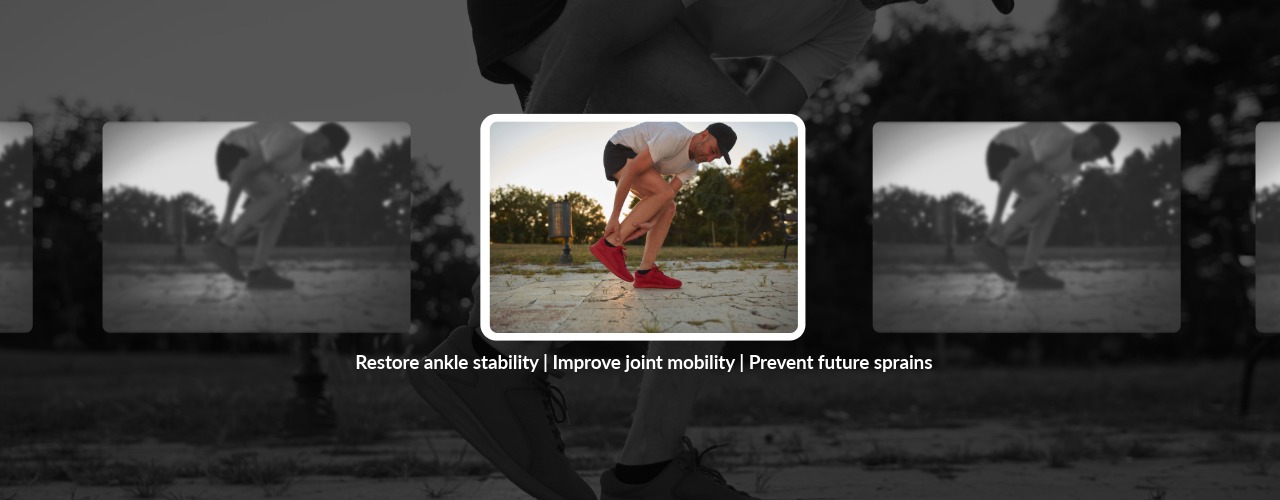
The ankle injury left Mia with a painful, swollen joint that limited her mobility. Everyday activities like walking or climbing stairs became uncomfortable, and the thought of running or pivoting on the court seemed distant. Mia’s therapist explained that effective recovery would involve specific rehabilitation exercises that addressed her unique needs, helping her rebuild strength, stability, and confidence. They emphasized that a structured approach to rehabilitation would support her in achieving a safe and complete return to her sport.
Step One: Restoring Range of Motion and Reducing Pain
The first phase of Mia’s recovery focused on relieving pain and restoring movement in her ankle. The therapist started with gentle mobility exercises to help Mia regain the joint’s natural movement without overloading it. Controlled ankle circles and dorsiflexion movements allowed her to gently mobilize the joint, gradually reducing stiffness and improving circulation.
Manual therapy techniques complemented these exercises, providing Mia with pain relief and promoting healing by addressing tension in the surrounding muscles and ligaments. This combination of therapy and targeted rehabilitation exercises helped Mia regain flexibility in her ankle while reducing swelling and discomfort.
Step Two: Strengthening the Muscles Around the Ankle
As Mia’s ankle mobility improved, the next phase focused on strengthening the muscles surrounding the joint. Her therapist introduced exercises that targeted the muscles essential for ankle support and stability. Strengthening these areas would improve Mia’s ability to balance and protect her from reinjury when she returned to the court.
Through gradual progressions, Mia learned how to perform weight-bearing exercises, guided by her therapist to ensure she maintained proper form and avoided excessive strain on her recovering ankle. With each session, her ankle grew stronger, giving her the foundation needed for safe, stable movement.
Step Three: Reintroducing Functional and Sports-Specific Movements
Once Mia’s ankle had regained strength and stability, her therapist focused on functional movements that mimicked the demands of tennis to simulate the agility and quick movements required in her sport. By gradually reintroducing these motions, Mia built confidence in her ankle’s ability to handle lateral movements and sudden changes in direction.
Proprioception training, which involves exercises to improve the body’s awareness of joint positioning, was also a key part of Mia’s rehabilitation. Proprioceptive exercises trained her body to react more effectively to unexpected movements, which would help prevent future injuries. Her therapist explained that these exercises helped Mia “relearn” how to trust her ankle, making it easier to react quickly and safely on the court.
Returning to the Court: A Strong, Safe Comeback
With consistent progress, Mia’s ankle reached a level of strength and stability that allowed her to return to the tennis court safely. Her therapist encouraged her to start with light practice sessions, focusing on form and movement control. With each practice, Mia could feel her confidence growing as her ankle felt more stable and capable of handling the demands of the sport.
The success of her rehabilitation exercises became evident as she moved fluidly on the court, transitioning from gentle volleys to more intense matches. Mia’s therapist emphasized the importance of continuing some maintenance exercises to keep her ankle strong and flexible, especially as she resumed full-time training. With this proactive approach, Mia felt ready to take on competitions again, knowing a foundation of strength and resilience supported her recovery.
If you’re recovering from a sports injury and want to return safely and confidently to your sport, our team at Therapy Fit Physical Therapy can help. Call today to learn more about our personalized rehabilitation plans designed to support you at every step of your recovery!