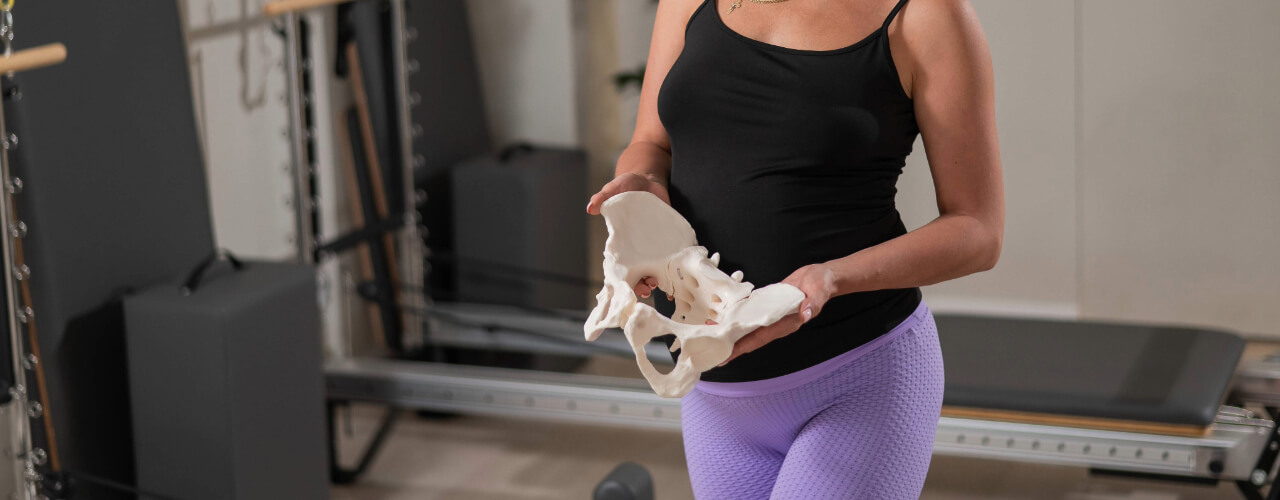
Your pelvic floor is a group of muscles that support the bladder, bowels, uterus (in women), and prostate (in men). It helps control urination, bowel movements, and even sexual function. When these muscles become too weak, too tight, or uncoordinated, it can lead to pelvic floor dysfunction, a condition that affects millions of people but often goes undiagnosed.
Many individuals live with symptoms for years, not realizing their pelvic floor is the root cause. However, there are several key signs to watch out for. If you notice any of them, the team at Therapy Fit Physical Therapy can help you better understand the specific issues affecting your pelvic floor and develop a personalized treatment program that meets your needs.
Ten Signs of Pelvic Floor Dysfunction
1. You Leak Urine When You Cough, Laugh, or Exercise
Weak pelvic floor muscles can’t fully support the bladder, allowing small leaks to occur during pressure changes, like when coughing, sneezing, or lifting something heavy. This is known as stress urinary incontinence, a hallmark of pelvic floor problems.
2. You Frequently Feel the Urge to Urinate
When the muscles that control the bladder become tight or irritated, they can send false signals to the brain, making you feel like your bladder is full when it’s not. This type of incontinence is called urge incontinence and can be another sign of pelvic floor dysfunction.
3. You Have Trouble Starting or Completely Emptying Your Bladder
Difficulty starting urination or feeling like you can’t empty your bladder completely may indicate that the pelvic floor muscles are not relaxing as they should. This lack of coordination between the bladder and pelvic floor can lead to discomfort, urinary retention, or frequent trips to the restroom.
4. You Struggle With Constipation or Straining During Bowel Movements
When these muscles don’t relax properly, stool can’t pass easily through the rectum. Some people even find themselves pressing around the vaginal or anal area to help facilitate a bowel movement, a common but overlooked sign of pelvic floor muscle imbalance.
5. You Feel Pressure or Heaviness in the Pelvic Area
A feeling of pelvic heaviness or fullness in the pelvic area can signal pelvic organ prolapse, a condition related to pelvic floor difficulties. It occurs when weakened pelvic muscles can no longer fully support the organs, allowing them to shift downward. It may feel worse after standing for long periods or at the end of the day.
6. You Experience Pain During or After Sex
Pelvic pain during or after sexual activity, especially a deep, aching discomfort, often stems from overly tight pelvic floor muscles. These muscles can spasm or contract involuntarily, making intimacy painful or uncomfortable.
Both men and women can experience this symptom, and physical therapy can help by teaching relaxation and release techniques.
7. You Have Ongoing Pelvic, Lower Back, or Hip Pain
Pelvic floor dysfunction doesn’t always present as bladder or bowel problems. Because these muscles are part of your body’s core system, they affect how you move, sit, and stabilize your spine. This means pelvic dysfunction can sometimes masquerade as pain in the lower abdomen, tailbone, hips, or lower back.
8. You Feel Numbness or Tingling in the Pelvic Area
Nerve compression or tension from a tight pelvic floor can cause unusual sensations like tingling, numbness, or even burning in the perineum (the area between the genitals and anus). These sensations are often mistaken for other issues but may indicate a muscular or nerve-related pelvic floor problem.
9. You’ve Had Pregnancy or Pelvic Surgery
While not a symptom, certain life events increase your risk for pelvic floor concerns. Pregnancy, childbirth, and surgeries such as hysterectomy or prostatectomy can weaken or disrupt the pelvic muscles and nerves, making dysfunction more likely over time.
10. You’re Avoiding Activities You Used to Enjoy
When symptoms like leakage, pain, or pressure interfere with your confidence and lifestyle, it’s a clear sign it’s time to seek help. Many people with pelvic floor dysfunction stop exercising, socializing, or even traveling because of discomfort or fear of accidents.
Some of These Symptoms Apply To Me. What Should I Do?
If several of these symptoms sound familiar, you don’t have to live with them. The team at Therapy Fit Physical Therapy can assess your muscle strength, coordination, and tension to determine the cause of your symptoms.
Your treatment plan may include:
- Gentle strengthening or relaxation exercises
- Biofeedback to improve muscle awareness
- Manual therapy for tight tissues
- Posture and breathing training
- Lifestyle guidance for bladder and bowel health
With the right care, many people see dramatic improvements in just a few sessions.
Start Addressing Your Pelvic Floor Dysfunction
Pelvic floor concerns can affect anyone, regardless of age or gender. Unfortunately, they often go untreated simply because people don’t realize what’s happening. Recognizing the early signs and getting professional guidance can help you restore strength, comfort, and confidence in your body.
If you’re noticing persistent bladder, bowel, or pelvic pain symptoms, contact Therapy Fit Physical Therapy. Relief is possible, but it starts with understanding what your body is telling you.