
How to Know If You Have a Meniscus Tear
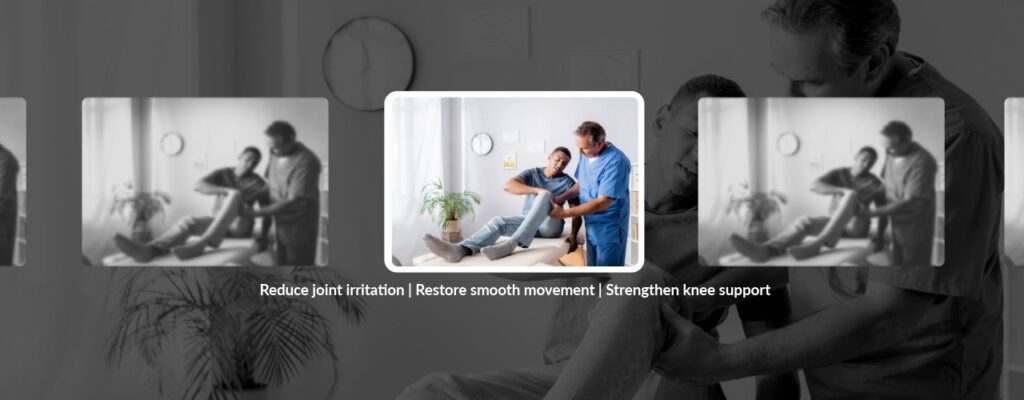
Knee pain can make even simple movements, like walking or climbing stairs, feel impossible. One of the most common causes of persistent knee pain is a meniscus tear, an injury that affects the cartilage that cushions your knee joint. If you’re wondering whether your pain could be from this injury, here’s how to identify meniscus tear symptoms, what causes them, and what steps to take next.
Identifying a Meniscus Tear
Step 1: Understand What the Meniscus Does
Your meniscus is a C-shaped piece of cartilage that acts as a shock absorber between the thighbone and shinbone. Each knee has two, one on the inside (medial) and one on the outside (lateral).
The meniscus stabilizes your knee, distributes weight evenly, and helps it move smoothly. When it tears, the cushioning effect is lost, leading to pain, swelling, and difficulty moving the joint.
Step 2: Know How Meniscus Tears Happen
A meniscus tear can happen suddenly during sports or gradually over time due to degeneration. Athletes often experience traumatic tears, while older adults are more likely to develop degenerative ones.
Common causes of traumatic tears include:
- Twisting the knee while your foot is planted
- Sudden stops or pivots during activity
- Lifting heavy objects or squatting deeply
Degenerative changes usually occur due to aging or arthritis.
Step 3: Recognize the Classic Meniscus Tear Symptoms
Identifying meniscus tear symptoms early can help prevent worsening damage. Here are the hallmark signs to watch for:
1. Pain Along the Knee Joint Line
- You may feel pain on one side of your knee—either inside or outside—especially when twisting, squatting, or rotating your leg.
2. Swelling and Stiffness
- Swelling usually develops within the first 24 hours after injury. Your knee may feel tight, making it difficult to bend or straighten fully.
3. Popping or Clicking Sensation
- Many people report hearing or feeling a “pop” when the tear occurs, followed by clicking or catching as they move their knee.
4. Locking or Catching
- If a piece of the torn cartilage gets caught in the joint, your knee may “lock” in place temporarily or refuse to move freely.
5. Weakness or Instability
- The knee may feel like it could give out, especially when walking downstairs or changing direction.
If these meniscus tear symptoms persist for more than a few days, it’s important to have your knee evaluated by a healthcare provider or physical therapist.
Step 4: Get a Professional Diagnosis
The only way to confirm a meniscus tear is to have it evaluated by a healthcare professional, including the team at Therapy Fit Physical Therapy. Schedule an appointment with us if you’re experiencing the following:
- Persistent pain or swelling for more than a week
- Locking, catching, or giving way of the knee
- Trouble bearing weight
- Pain that interferes with daily activities
We can perform some physical tests to check for meniscus involvement. In some cases, imaging like an MRI may be ordered to confirm the diagnosis and determine the tear’s size and location.
Early diagnosis is crucial. Untreated tears can lead to further cartilage damage, chronic pain, or early arthritis.
Our Team is Here to Help
Recognizing meniscus tear symptoms early is the first step toward recovery. Pain, swelling, clicking, or instability in your knee shouldn’t be ignored. These are signals that something isn’t right inside the joint.
With timely diagnosis and proper treatment, most people recover full function and return to their favorite activities. If you suspect a meniscus tear, contact Therapy Fit Physical Therapy to start your healing journey today.